


Hey there, fellow spring steel enthusiasts! As a spring steel bar supplier, I get asked a lot about how to improve the corrosion resistance of spring steel bars. It's a hot topic, and for good reason. Corrosion can significantly reduce the lifespan and performance of spring steel bars, leading to costly replacements and downtime. In this blog post, I'll share some practical tips and strategies to help you enhance the corrosion resistance of your spring steel bars.
Understanding Corrosion in Spring Steel Bars
Before we dive into the solutions, let's first understand what causes corrosion in spring steel bars. Corrosion is a natural process that occurs when metal reacts with its environment, typically in the presence of oxygen and moisture. In the case of spring steel bars, corrosion can be accelerated by factors such as exposure to harsh chemicals, high humidity, and saltwater.
There are several types of corrosion that can affect spring steel bars, including:
- Uniform corrosion: This is the most common type of corrosion, where the metal surface is uniformly attacked by the corrosive environment.
- Pitting corrosion: This occurs when small pits or holes form on the metal surface, which can eventually lead to the failure of the spring steel bar.
- Crevice corrosion: This type of corrosion occurs in narrow gaps or crevices between two metal surfaces, where the corrosive environment can be trapped.
- Stress corrosion cracking: This is a more serious type of corrosion that occurs when the spring steel bar is under stress in the presence of a corrosive environment. It can lead to sudden and catastrophic failure of the spring steel bar.
Choosing the Right Spring Steel Bar
One of the most important steps in improving the corrosion resistance of spring steel bars is choosing the right type of steel. Different types of spring steel have different levels of corrosion resistance, depending on their chemical composition and microstructure.
Some of the most common types of spring steel bars include:
- 5160 Alloy Spring Steel Bar: This is a high-carbon, chromium alloy steel that offers excellent strength, toughness, and corrosion resistance. It is commonly used in applications where high stress and corrosion resistance are required, such as automotive suspension systems and industrial machinery.
- 1095 Spring Steel Bar: This is a high-carbon steel that offers good strength and hardness, but relatively low corrosion resistance. It is commonly used in applications where cost is a major factor, such as agricultural equipment and hand tools.
- 55SiMnVB Spring Steel Bar: This is a silicon-manganese alloy steel that offers good strength, toughness, and corrosion resistance. It is commonly used in applications where high fatigue resistance and corrosion resistance are required, such as engine valves and suspension springs.
When choosing a spring steel bar, it's important to consider the specific application and the environment in which it will be used. If the spring steel bar will be exposed to a corrosive environment, such as saltwater or chemicals, it's recommended to choose a steel with a higher level of corrosion resistance, such as 5160 alloy steel.
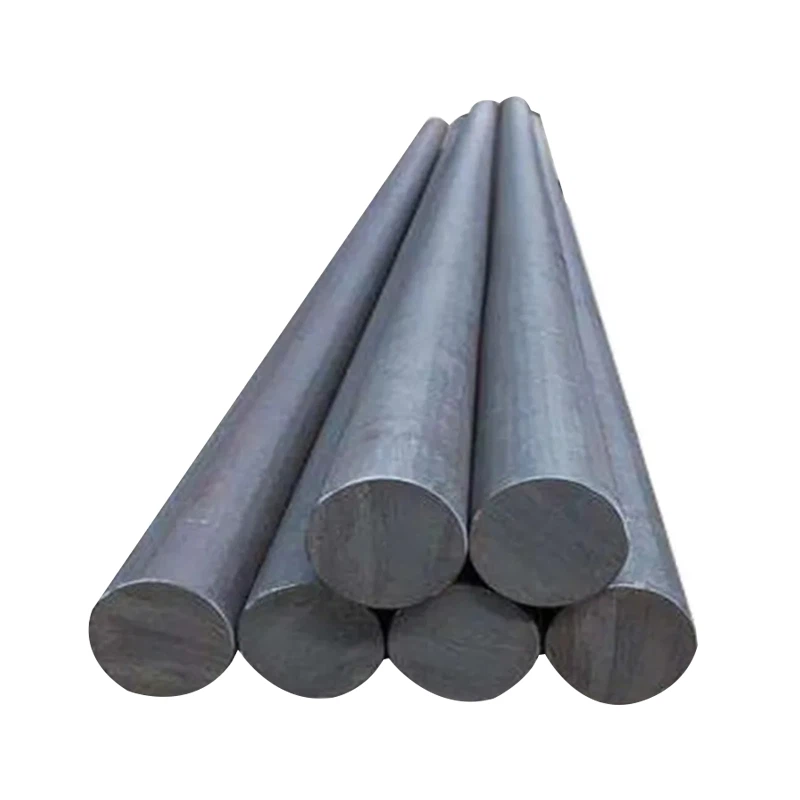
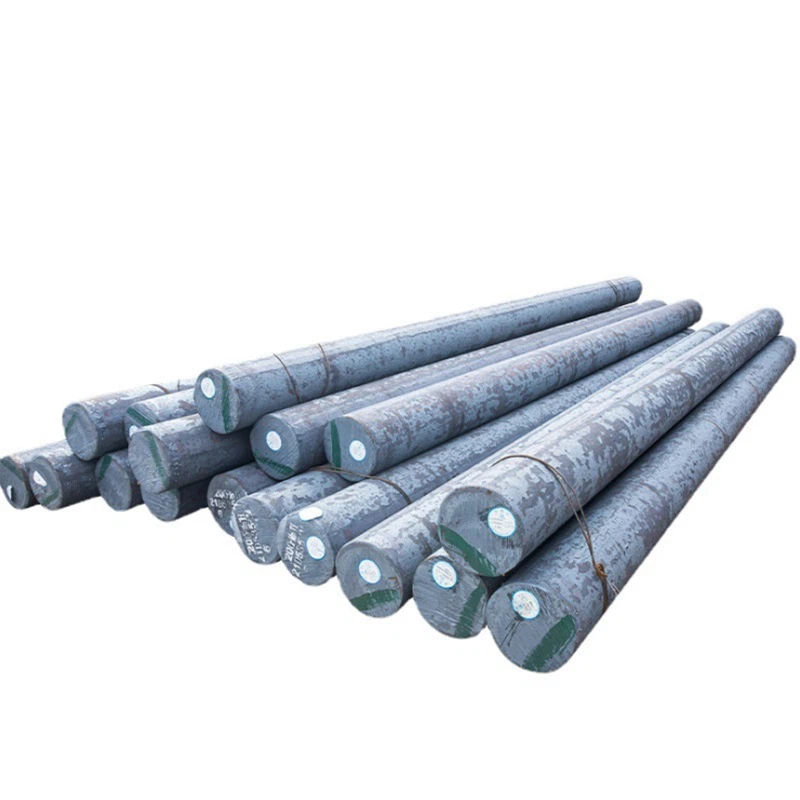
Surface Treatment
Another effective way to improve the corrosion resistance of spring steel bars is through surface treatment. Surface treatment involves applying a protective coating or layer to the surface of the spring steel bar to prevent or slow down the corrosion process.
There are several types of surface treatments that can be used for spring steel bars, including:
- Galvanizing: This involves coating the spring steel bar with a layer of zinc to protect it from corrosion. Galvanizing is a popular surface treatment for spring steel bars because it is relatively inexpensive and provides long-lasting corrosion protection.
- Painting: This involves applying a layer of paint or coating to the surface of the spring steel bar to protect it from corrosion. Painting is a versatile surface treatment that can be used to provide a variety of colors and finishes, as well as corrosion protection.
- Electroplating: This involves depositing a thin layer of metal, such as nickel or chromium, onto the surface of the spring steel bar to provide corrosion protection. Electroplating is a more expensive surface treatment than galvanizing or painting, but it provides excellent corrosion resistance and a high-quality finish.
- Passivation: This involves treating the surface of the spring steel bar with a chemical solution to remove any impurities or contaminants and to form a protective oxide layer on the surface. Passivation is a common surface treatment for stainless steel spring bars, but it can also be used for other types of spring steel bars to improve their corrosion resistance.
When choosing a surface treatment for your spring steel bars, it's important to consider the specific application and the environment in which they will be used. If the spring steel bars will be exposed to a harsh or corrosive environment, it's recommended to choose a surface treatment that provides a high level of corrosion protection, such as electroplating or galvanizing.
Environmental Control
In addition to choosing the right spring steel bar and applying a surface treatment, it's also important to control the environment in which the spring steel bars are used and stored. This can help to reduce the risk of corrosion and extend the lifespan of the spring steel bars.
Some practical tips for environmental control include:
- Keep the spring steel bars dry: Moisture is one of the main causes of corrosion in spring steel bars, so it's important to keep them dry. Store the spring steel bars in a dry, well-ventilated area and avoid exposing them to rain, snow, or other sources of moisture.
- Avoid exposing the spring steel bars to harsh chemicals: Chemicals such as acids, alkalis, and solvents can accelerate the corrosion process in spring steel bars, so it's important to avoid exposing them to these chemicals. If the spring steel bars need to be cleaned or treated with chemicals, use a mild detergent or a specialized cleaning solution that is designed for use on spring steel.
- Control the temperature and humidity: High temperatures and humidity can increase the risk of corrosion in spring steel bars, so it's important to control the temperature and humidity in the environment where they are used and stored. If possible, keep the temperature below 80°F (27°C) and the humidity below 60%.
- Use protective packaging: When shipping or storing the spring steel bars, use protective packaging to prevent them from being damaged or exposed to the environment. This can include wrapping the spring steel bars in plastic or paper, or using a protective container or box.
Regular Inspection and Maintenance
Finally, it's important to regularly inspect and maintain your spring steel bars to ensure that they are in good condition and to detect any signs of corrosion early on. Regular inspection and maintenance can help to prevent corrosion from spreading and causing damage to the spring steel bars.
Some practical tips for regular inspection and maintenance include:
- Inspect the spring steel bars visually: Regularly inspect the spring steel bars for any signs of corrosion, such as rust, pitting, or discoloration. If you notice any signs of corrosion, take action immediately to prevent it from spreading.
- Clean the spring steel bars regularly: Use a mild detergent or a specialized cleaning solution to clean the spring steel bars regularly. This can help to remove any dirt, debris, or contaminants that may be causing corrosion.
- Lubricate the spring steel bars: Lubricating the spring steel bars can help to reduce friction and wear, as well as prevent corrosion. Use a high-quality lubricant that is designed for use on spring steel.
- Replace any damaged or corroded spring steel bars: If you notice any signs of damage or corrosion on the spring steel bars, replace them immediately. This can help to prevent further damage and ensure the safety and performance of your equipment.
Wrapping Up
Improving the corrosion resistance of spring steel bars is an important step in ensuring their long-term performance and reliability. By choosing the right spring steel bar, applying a surface treatment, controlling the environment, and regularly inspecting and maintaining the spring steel bars, you can significantly reduce the risk of corrosion and extend their lifespan.
If you have any questions or need further advice on how to improve the corrosion resistance of your spring steel bars, please don't hesitate to contact us. We're here to help you find the right solutions for your specific needs.
References
- ASM Handbook, Volume 13A: Corrosion: Fundamentals, Testing, and Protection.
- Corrosion Resistance of Steel Alloys: A Guide for Engineers and Scientists.
- Spring Design Manual: A Comprehensive Guide to the Design and Manufacture of Springs.


