


As a seasoned supplier of alloy steel wire, I understand that transportation is a crucial aspect that can significantly impact the quality and cost - effectiveness of getting our products to customers. In this blog, I'll delve into the key transportation requirements for alloy steel wire, ensuring that you have a comprehensive understanding of what it takes to move this valuable material safely and efficiently.
Packaging Considerations
The first step in the transportation of alloy steel wire is proper packaging. Alloy steel wire is prone to damage such as scratches, rust, and kinking during transit. To prevent these issues, we use high - quality packaging materials. For smaller quantities, we often use plastic sleeves or coils wrapped in protective paper. This not only protects the wire from physical damage but also acts as a barrier against moisture, which can cause rust.
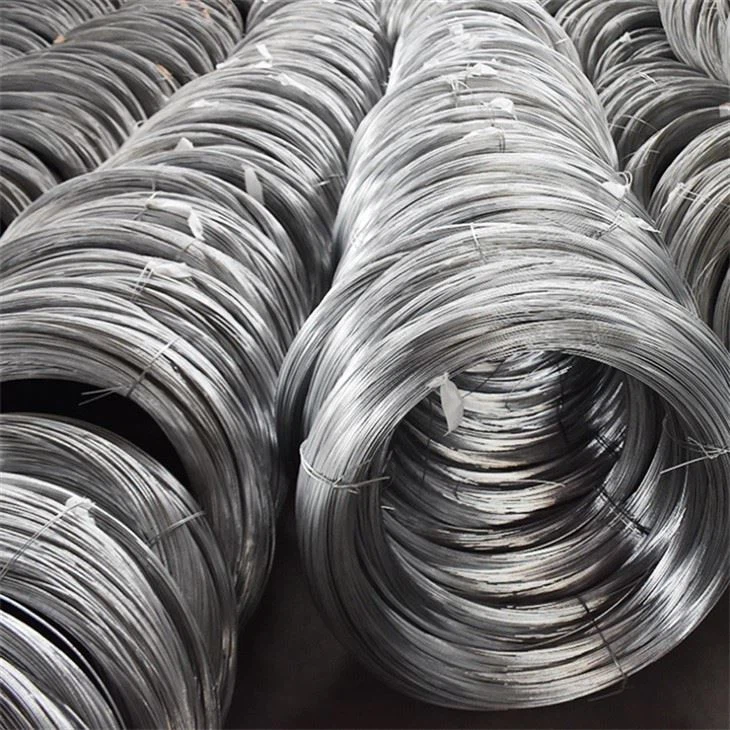
For larger shipments, the wire is typically wound onto spools or reels. These spools are then placed in wooden or metal crates. The crates are designed to be sturdy enough to withstand the rigors of transportation, including stacking, loading, and unloading. The use of pallets is also common, which allows for easy handling with forklifts and other material - handling equipment.
Mode of Transportation
Road Transport
Road transport is one of the most common methods for transporting alloy steel wire, especially for shorter distances. Trucks offer flexibility in terms of delivery schedules and can reach almost any location. When using road transport, it's important to ensure that the trucks are equipped with proper securing mechanisms. The wire spools or crates should be firmly tied down to prevent shifting during transit.
We often use flatbed trucks for larger shipments of alloy steel wire. These trucks provide a large, open - air space that can accommodate multiple crates or spools. However, to protect the wire from the elements, we use tarps to cover the load. For smaller shipments, box trucks can be used, which offer better protection against weather conditions and theft.
Rail Transport
Rail transport is suitable for long - distance transportation of large volumes of alloy steel wire. Trains can carry a significant amount of cargo at a relatively low cost per unit. When using rail transport, the wire is usually loaded into freight cars. Similar to road transport, the wire must be properly secured inside the freight cars to prevent movement.
One of the advantages of rail transport is its reliability in terms of schedule. Trains generally run on fixed schedules, which allows for better planning of deliveries. However, rail transport may require additional handling at transfer points, such as loading and unloading from trucks to trains and vice versa.
Sea Transport
For international shipments, sea transport is often the preferred option. Alloy steel wire is loaded into shipping containers, which are then transported by cargo ships. Shipping containers provide a high level of protection against the harsh marine environment, including saltwater, humidity, and rough seas.
When using sea transport, it's essential to ensure that the containers are properly sealed to prevent water ingress. The wire inside the containers should also be secured to prevent damage during the long - distance journey. Shipping lines usually offer different types of containers, such as dry containers for general use and refrigerated containers if temperature - controlled transportation is required.
Environmental Conditions
Alloy steel wire is sensitive to environmental conditions during transportation. High humidity can lead to rust formation, which can degrade the quality of the wire. Therefore, when transporting alloy steel wire, we take measures to control the humidity levels.
In enclosed transportation modes such as trucks, box containers, and freight cars, we may use desiccants to absorb moisture. For sea transport, where the humidity levels are generally high, the use of moisture - resistant packaging and proper ventilation inside the containers is crucial.
Temperature can also affect the properties of alloy steel wire. Extreme cold or heat can cause the wire to expand or contract, which may lead to internal stress and potential damage. When transporting through areas with extreme temperatures, we may use insulated containers or take other temperature - control measures.
Regulatory Compliance
Transporting alloy steel wire also involves compliance with various regulations. Different countries and regions have their own rules regarding the transportation of goods, including safety regulations, customs requirements, and environmental regulations.
For example, there are regulations regarding the maximum weight and dimensions of cargo that can be transported on roads and railways. When using sea transport, there are rules regarding the classification and labeling of hazardous materials (although alloy steel wire is generally not considered a hazardous material, proper documentation is still required).

Customs regulations are also a significant aspect of international transportation. We need to ensure that all the necessary documentation, such as bills of lading, commercial invoices, and certificates of origin, are in order. Failure to comply with these regulations can result in delays, fines, or even confiscation of the cargo.
Tracking and Monitoring
In today's digital age, tracking and monitoring the transportation of alloy steel wire is essential. We use advanced tracking systems to keep an eye on the location and condition of the cargo. GPS tracking devices can be installed on trucks, trains, and shipping containers, allowing us and our customers to know the exact whereabouts of the wire at any time.
In addition to location tracking, we also monitor environmental conditions such as temperature and humidity inside the transportation units. This real - time data helps us to take proactive measures if any issues arise during transportation. For example, if the humidity inside a shipping container exceeds the acceptable level, we can take steps to address it before it causes damage to the wire.
Special Considerations for Different Types of Alloy Steel Wire
Different types of alloy steel wire may have specific transportation requirements. For instance, 9254 Alloy Steel Silicon - Chromium Wire is known for its high strength and good fatigue resistance. Due to its properties, it may require more careful handling during transportation to prevent any micro - damage that could affect its performance.
50CrV4 Alloy Spring Steel Wire is commonly used for springs. The wire's shape and elasticity make it more prone to kinking during transportation. Special packaging and securing methods are needed to ensure that the wire remains in good condition.
35CrMo Alloy Steel Wire has good hardenability and toughness. It may be more sensitive to temperature changes during transportation, so temperature - control measures may be more critical for this type of wire.
Conclusion
Transporting alloy steel wire requires careful planning and attention to detail. From proper packaging to choosing the right mode of transportation, controlling environmental conditions, complying with regulations, and tracking the cargo, every step is crucial to ensure that the wire reaches our customers in perfect condition.
As a supplier of alloy steel wire, we are committed to providing high - quality products and reliable transportation services. If you are in the market for alloy steel wire and have specific transportation requirements, we would be more than happy to discuss your needs and provide customized solutions. Contact us to start a procurement discussion and let us help you meet your alloy steel wire requirements.
References
- "Transportation of Metals: A Handbook", Metal Transportation Institute
- "International Shipping Regulations for Industrial Goods", Global Shipping Association
- "Alloy Steel Wire Properties and Applications", Steel Research Institute


