


Carbon steel wire is a versatile material that plays a crucial role in the chain manufacturing industry. As a carbon steel wire supplier, I've seen firsthand how different types of carbon steel wire are used to create various chains. In this blog, I'll share some of the common uses of carbon steel wire in chain manufacturing.
1. Basic Structure Building
One of the primary uses of carbon steel wire in chain manufacturing is to form the basic structure of the chain. Chains come in all shapes and sizes, from small, delicate jewelry chains to large, heavy - duty industrial chains. Carbon steel wire provides the strength and durability needed to hold the chain together.
For example, in the production of small - scale chains like those used in keychains or light - duty decorative chains, 1020 Carbon Steel Wire is often a great choice. It has a relatively low carbon content, which makes it more malleable and easier to work with during the chain - making process. You can find more about 1020 Carbon Steel Wire here.
On the other hand, for heavy - duty industrial chains, such as those used in mining or construction equipment, a stronger carbon steel wire is required. Q275 Carbon Steel Wire is a popular option in these cases. It has a higher carbon content and better mechanical properties, allowing it to withstand heavy loads and harsh working conditions. Check out Q275 Carbon Steel Wire for more details.

2. Link Formation
Chains are made up of individual links, and carbon steel wire is used to create these links. The wire is bent and shaped into the desired link configuration. Different chain designs require different link shapes, and carbon steel wire can be easily manipulated to meet these requirements.
In the case of roller chains, which are commonly used in machinery, the links are precisely formed from carbon steel wire. The wire is cut to the appropriate length and then bent into the specific shape of the roller chain link. This process requires high precision to ensure that the links fit together properly and function smoothly.
Q195 Carbon Steel Wire is sometimes used for link formation in less - demanding applications. It offers a good balance between cost and performance. If you're interested in learning more about Q195 Carbon Steel Wire, you can visit this page.
3. Welding and Joining
To assemble the chain, the individual links need to be joined together. Carbon steel wire can be welded to create strong connections between the links. Welding is a critical process in chain manufacturing, as it determines the overall strength and integrity of the chain.
When welding carbon steel wire, it's important to choose the right welding method and parameters. For example, in some cases, resistance welding is used to join the links. This method uses an electric current to heat the wire at the joint, causing it to melt and fuse together.
The quality of the carbon steel wire also affects the welding process. High - quality wire with consistent properties will result in better - welded joints. As a supplier, we ensure that our carbon steel wire meets the necessary standards for welding in chain manufacturing.
4. Surface Treatment
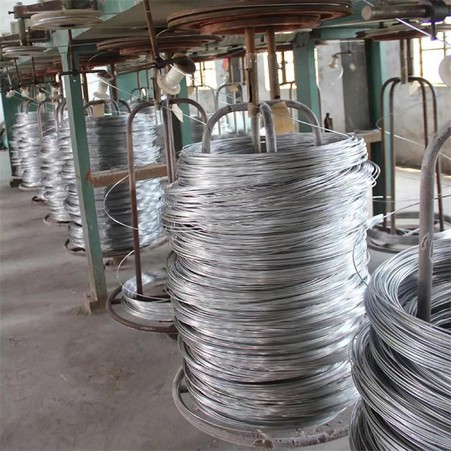
Carbon steel wire used in chain manufacturing often undergoes surface treatment to improve its corrosion resistance and appearance. Common surface treatments include galvanizing, painting, and powder coating.
Galvanizing involves coating the carbon steel wire with a layer of zinc. This not only protects the wire from rust and corrosion but also gives the chain a shiny, attractive finish. Galvanized chains are commonly used in outdoor applications, such as in fences or marine environments.
Painting and powder coating can also be used to enhance the appearance of the chain and provide additional protection. These treatments can be customized to match the specific requirements of the customer, such as color and finish.
5. Customization
One of the great advantages of using carbon steel wire in chain manufacturing is the ability to customize the chains. Different carbon steel wire compositions and diameters can be used to create chains with specific properties.
For example, if a customer needs a chain with high tensile strength, we can recommend a carbon steel wire with a higher carbon content. If flexibility is a priority, a wire with a lower carbon content might be more suitable.
We work closely with our customers to understand their needs and provide them with the right carbon steel wire for their chain manufacturing projects. Whether it's a small - scale custom chain or a large - scale industrial order, we can offer solutions that meet their requirements.
Why Choose Our Carbon Steel Wire?
As a carbon steel wire supplier, we take pride in offering high - quality products. Our carbon steel wire is sourced from reliable manufacturers and undergoes strict quality control measures. We have a wide range of wire options available, including 1020 Carbon Steel Wire, Q275 Carbon Steel Wire, and Q195 Carbon Steel Wire.
We also provide excellent customer service. Our team of experts is always ready to answer your questions and offer technical support. Whether you're a small - scale chain manufacturer or a large industrial company, we can help you find the right carbon steel wire for your needs.
If you're in the chain manufacturing business and are looking for a reliable carbon steel wire supplier, don't hesitate to get in touch. We're here to help you with your procurement needs and ensure that you get the best products at competitive prices. Contact us today to start a discussion about your chain manufacturing requirements.
References
- ASM Handbook, Volume 1: Properties and Selection: Irons, Steels, and High - Performance Alloys
- Metals Handbook Desk Edition, Third Edition


