


Silicon steel, also known as electrical steel, is a key material in the manufacturing of transformers. Its unique magnetic properties play a crucial role in determining the performance of transformers, especially under overload conditions. As a reliable silicon steel supplier, I have witnessed firsthand how different grades of silicon steel can impact transformer performance. In this blog, I will delve into the effects of silicon steel on transformer performance during overloads and explore the benefits of various types of silicon steel.
Understanding Transformer Overload
Before discussing the role of silicon steel, it's important to understand what transformer overload means. A transformer is designed to operate within a specific range of voltage and current. When the load exceeds this designed capacity, the transformer is said to be overloaded. Overloading can occur due to various reasons, such as sudden increases in power demand, equipment malfunctions, or improper sizing of the transformer.
During an overload, the transformer experiences higher currents and temperatures. These elevated conditions can lead to increased losses, reduced efficiency, and potentially shortened lifespan of the transformer. Therefore, it is essential to select the right silicon steel to mitigate these negative effects and ensure the reliable operation of the transformer under overload conditions.
The Role of Silicon Steel in Transformers
Silicon steel is used in the core of transformers because of its excellent magnetic properties. It has a high magnetic permeability, which means it can easily conduct magnetic flux. This property allows the transformer to transfer electrical energy efficiently from the primary winding to the secondary winding. Additionally, silicon steel has low core losses, which are the energy losses that occur in the core due to hysteresis and eddy currents.
Hysteresis loss is the energy dissipated as heat when the magnetic field in the core is reversed. Eddy current loss, on the other hand, is the energy loss caused by the induced currents in the core. These losses increase with the frequency and magnitude of the magnetic field. By using silicon steel with low core losses, the overall efficiency of the transformer can be improved, especially under overload conditions.

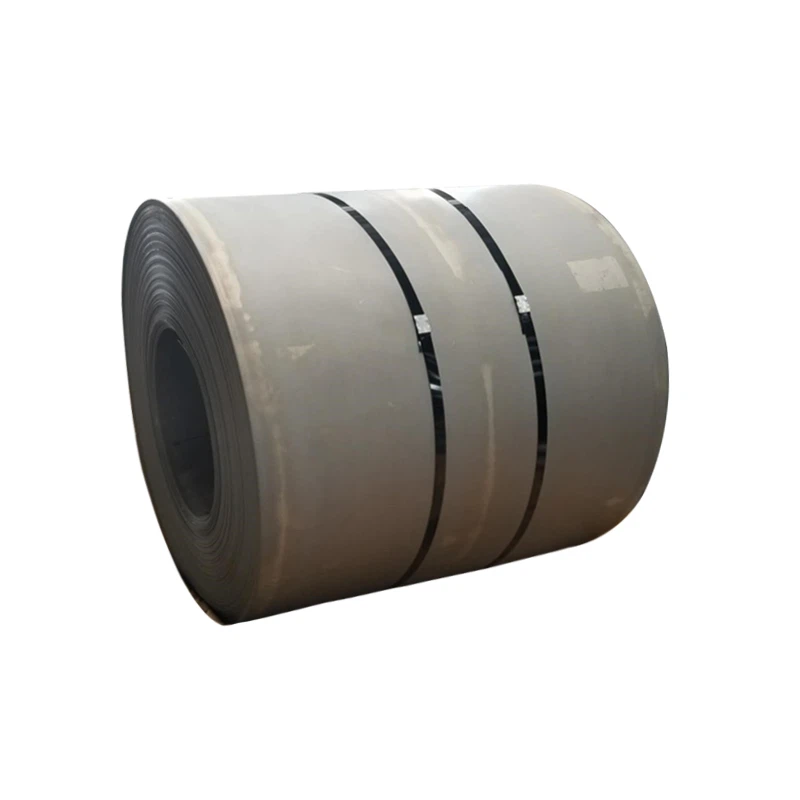
Effects of Silicon Steel on Transformer Performance Under Overload
Reduced Core Losses
One of the primary benefits of using high - quality silicon steel in transformers is the reduction of core losses, even under overload. When a transformer is overloaded, the magnetic field in the core becomes stronger, which would typically lead to higher core losses. However, silicon steel with low hysteresis and eddy current losses can help keep these losses in check. For example, M19 Silicon Steel is known for its low core losses and high magnetic permeability. It can maintain relatively stable performance even when the transformer is operating under overload, resulting in less energy waste and lower operating costs.
Improved Thermal Performance
Overloading a transformer generates more heat due to increased losses. Excessive heat can damage the insulation of the windings and reduce the lifespan of the transformer. Silicon steel can contribute to better thermal performance. Some grades of silicon steel have better heat dissipation properties, which help to keep the temperature of the core within acceptable limits. For instance, the 50W600 Silicon Steel Coil has a structure that allows for efficient heat transfer, reducing the risk of overheating during overloads. This helps to maintain the integrity of the transformer's insulation and ensures its long - term reliability.
Enhanced Magnetic Saturation
Magnetic saturation occurs when the magnetic field in the core reaches a point where the core can no longer increase its magnetic flux density. Under overload conditions, the risk of magnetic saturation is higher. Silicon steel with a high magnetic saturation point can withstand stronger magnetic fields without saturating. The B50A800 Silicon Steel Coil is designed to have a relatively high magnetic saturation level. This means that the transformer can handle higher currents and magnetic fields during overloads without experiencing significant distortion in the output voltage and current, ensuring a more stable power supply.
Selecting the Right Silicon Steel for Overload Conditions
When choosing silicon steel for transformers that may experience overloads, several factors need to be considered.
Core Losses
As mentioned earlier, low core losses are crucial for efficient operation under overload. Different grades of silicon steel have different core loss characteristics. It is important to select a grade with the lowest possible core losses for the specific application. For example, if the transformer is expected to operate under frequent overloads, a high - performance silicon steel with extremely low core losses should be chosen.
Thickness
The thickness of the silicon steel laminations also affects the transformer's performance under overload. Thinner laminations can reduce eddy current losses, especially at higher frequencies. However, thinner laminations may also be more expensive. A balance needs to be struck between cost and performance when selecting the appropriate lamination thickness.
Magnetic Properties
The magnetic properties of silicon steel, such as magnetic permeability and saturation point, are important considerations. A high magnetic permeability allows for efficient energy transfer, while a high saturation point enables the transformer to handle higher magnetic fields during overloads.
Conclusion
Silicon steel plays a vital role in determining the performance of transformers under overload conditions. By reducing core losses, improving thermal performance, and enhancing magnetic saturation, high - quality silicon steel can help transformers operate more efficiently and reliably during overloads. As a silicon steel supplier, I understand the importance of providing the right materials to meet the specific needs of transformer manufacturers. Whether it's M19 Silicon Steel, 50W600 Silicon Steel Coil, or B50A800 Silicon Steel Coil, we offer a wide range of silicon steel products to ensure that your transformers can handle the challenges of overloads.
If you are in the market for high - performance silicon steel for your transformers, I encourage you to reach out to us for more information. Our team of experts can help you select the most suitable silicon steel grade based on your specific requirements. We are committed to providing top - quality products and excellent customer service to help you achieve optimal transformer performance.
References
- Grover, F. W. (1946). Inductance Calculations: Working Formulas and Tables. Dover Publications.
- Chapman, S. J. (2012). Electric Machinery Fundamentals. McGraw - Hill Education.
- IEEE Standards Association. (2010). IEEE Standard for Overload Loading Guide for Oil - Immersed Power Transformers. IEEE Std C57.91 - 2010.


