


Silicon steel, also known as electrical steel, is a crucial material in the electrical industry. It's widely used in transformers, electric motors, and generators due to its excellent magnetic properties. One of the key characteristics of silicon steel is its electrical resistivity. In this blog, we'll explore what electrical resistivity is, how it relates to silicon steel, and why it matters in various applications.
Understanding Electrical Resistivity
Electrical resistivity, denoted by the Greek letter ρ (rho), is a fundamental property of a material that quantifies how strongly it resists the flow of electric current. It is measured in ohm - meters (Ω·m). A material with high resistivity will impede the flow of electrons more than a material with low resistivity.
The resistivity of a material depends on several factors, including its atomic structure, temperature, and the presence of impurities. For metals, resistivity generally increases with temperature because as the temperature rises, the atoms in the metal vibrate more vigorously, which makes it more difficult for electrons to move through the material.
Electrical Resistivity of Silicon Steel
Silicon steel is an alloy of iron and silicon, with silicon content typically ranging from 0.5% to 6.5%. The addition of silicon to iron significantly increases the electrical resistivity of the material. Pure iron has a relatively low resistivity of about 9.71×10⁻⁸ Ω·m at room temperature. However, when silicon is added, the resistivity can increase to values in the range of 40 - 80×10⁻⁸ Ω·m, depending on the silicon content.
The reason for this increase in resistivity is related to the way silicon atoms interact with the iron lattice. Silicon atoms disrupt the regular arrangement of iron atoms, which in turn scatters the electrons more effectively. This scattering reduces the mobility of electrons, leading to an increase in resistivity.
Importance of Electrical Resistivity in Silicon Steel Applications
Transformers
In transformers, high electrical resistivity is essential to reduce eddy current losses. Eddy currents are induced in the core of a transformer when it is exposed to a changing magnetic field. These currents flow in circular paths within the core and generate heat, which represents a loss of energy. By using silicon steel with high resistivity, the magnitude of eddy currents is reduced, and the efficiency of the transformer is improved.
For example, our 50W800 Silicon Steel Coil has a well - optimized resistivity that helps in minimizing eddy current losses in transformers. This makes it a popular choice for transformer manufacturers who are looking to improve the energy efficiency of their products.
Electric Motors
In electric motors, the electrical resistivity of silicon steel also plays a crucial role. Similar to transformers, eddy current losses can occur in the motor's core. High - resistivity silicon steel helps to reduce these losses, which leads to lower heat generation and increased motor efficiency. Additionally, a more efficient motor consumes less energy, which is beneficial for both the end - user and the environment.
Our M19 Silicon Steel is designed with the right balance of magnetic properties and electrical resistivity to enhance the performance of electric motors. It can withstand high - speed operation and provides reliable performance over a long period.
Generators
Generators convert mechanical energy into electrical energy. The core of a generator is made of silicon steel, and the electrical resistivity of this material affects the overall efficiency of the generator. By using silicon steel with appropriate resistivity, the generator can operate more efficiently, producing more electrical power with less input energy.
Our B50A800 Silicon Steel Coil is suitable for generator applications. It offers good magnetic properties along with high electrical resistivity, which helps in reducing losses and improving the generator's output.
Factors Affecting the Electrical Resistivity of Silicon Steel
Silicon Content
As mentioned earlier, the silicon content has a significant impact on the electrical resistivity of silicon steel. Generally, as the silicon content increases, the resistivity also increases. However, there is a limit to the amount of silicon that can be added. Beyond a certain point, the material becomes brittle and difficult to process.
Grain Orientation
The grain orientation in silicon steel can also affect its electrical resistivity. Grain - oriented silicon steel has a preferred crystal orientation, which can result in different resistivity values in different directions. This property is often exploited in applications where the magnetic field is applied in a specific direction, such as in power transformers.

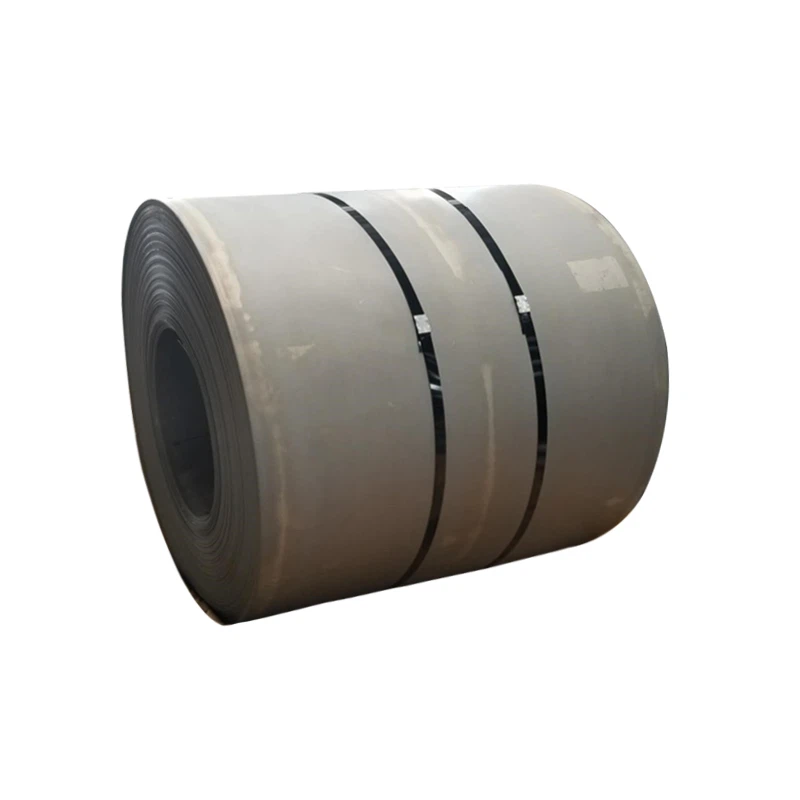
Temperature
Temperature is another important factor. As the temperature of silicon steel increases, its resistivity also increases. This is due to the increased atomic vibrations, which impede the flow of electrons. When designing electrical devices, engineers need to take into account the temperature range in which the silicon steel will operate to ensure optimal performance.
Measuring the Electrical Resistivity of Silicon Steel
There are several methods for measuring the electrical resistivity of silicon steel. One common method is the four - point probe method. In this method, four probes are placed on the surface of the silicon steel sample. A current is passed through the outer two probes, and the voltage is measured across the inner two probes. Using Ohm's law (V = IR), the resistivity can be calculated based on the measured current, voltage, and the dimensions of the sample.
Our Role as a Silicon Steel Supplier
As a leading silicon steel supplier, we understand the importance of electrical resistivity in different applications. We offer a wide range of silicon steel products with carefully controlled resistivity values to meet the diverse needs of our customers. Our products are manufactured using advanced processes and strict quality control measures to ensure consistent performance.
We work closely with our customers to understand their specific requirements and provide them with the most suitable silicon steel solutions. Whether you are a transformer manufacturer, an electric motor producer, or a generator builder, we have the right product for you.
Contact Us for Procurement
If you are interested in purchasing silicon steel for your electrical applications, we invite you to contact us for a detailed discussion. Our team of experts is ready to assist you in selecting the right product based on your needs. We can provide you with samples, technical specifications, and pricing information. Let's work together to find the best silicon steel solution for your project.
References
- "Electrical Steel: Fundamentals and Applications" by A. J. Moses and J. L. Duggan
- "Magnetic Materials and Their Applications" by E. C. Snelling
- "Handbook of Electrical Steel" edited by A. E. Clark


