


As a spring steel bar supplier, I often get asked about the magnetic properties of spring steel bars. It's a topic that might not cross everyone's mind right away, but it's actually quite important, especially in applications where magnetism can influence performance. So, let's dive into what makes spring steel bars magnetic or not.
Understanding Magnetism Basics
Before we jump into spring steel bars specifically, let's cover the basics of magnetism. There are three main types of magnetic materials: ferromagnetic, paramagnetic, and diamagnetic. Ferromagnetic materials, like iron, nickel, and cobalt, are strongly attracted to magnets. They can also be magnetized themselves, meaning they can become magnets. Paramagnetic materials are weakly attracted to magnets, and their magnetism depends on an external magnetic field. Diamagnetic materials, on the other hand, are weakly repelled by magnets.
What Influences the Magnetic Property of Spring Steel Bars?
Spring steel bars are made from various alloys, and the magnetic properties depend largely on the elements they contain. Most spring steels are based on iron, which is a ferromagnetic element. However, the addition of other elements can change the magnetic behavior.
For example, carbon is a common element in spring steel. It strengthens the steel but doesn't have a huge impact on its magnetic properties on its own. However, when combined with other alloying elements, carbon can affect the microstructure of the steel, which in turn can influence magnetism.
Manganese, another common alloying element, can have a significant effect. Manganese can promote the formation of austenite, a non - magnetic phase of steel. So, if a spring steel has a high enough manganese content, it can reduce the overall magnetic response of the steel bar.
Different Types of Spring Steel Bars and Their Magnetism
Let's take a look at some specific types of spring steel bars and their magnetic properties.
55SiMnVB Spring Steel Bar
The 55SiMnVB Spring Steel Bar is a popular choice for many spring applications. This steel contains silicon, manganese, vanadium, and boron in addition to iron and carbon. The silicon and manganese help improve the strength and hardenability of the steel. In terms of magnetism, due to the high iron content, it is generally ferromagnetic. However, the presence of other alloying elements might slightly modify its magnetic behavior compared to pure iron. It retains a strong magnetic response, which can be an advantage in applications where magnetic interaction is useful.
1095 Spring Steel Bar
The 1095 Spring Steel Bar is a high - carbon steel. With a carbon content of around 0.95%, it has excellent strength and toughness, making it suitable for various high - performance springs. Since it is mainly an iron - carbon alloy with a relatively simple composition, it exhibits strong ferromagnetic properties. The high carbon content doesn't change the basic magnetic nature of iron but can influence the magnetic domain structure within the steel, which can affect things like magnetic permeability.
5160 Alloy Spring Steel Bar
The 5160 Alloy Spring Steel Bar contains chromium and nickel in addition to the usual iron, carbon, and manganese. Chromium and nickel can have a more complex effect on the magnetic properties. Chromium can enhance the corrosion resistance of the steel, and depending on the amount and the microstructure, it can slightly reduce the magnetic response. Nickel, on the other hand, is also ferromagnetic, and in small amounts, it can contribute to the overall magnetic strength. Overall, the 5160 alloy spring steel bar is ferromagnetic, but its magnetic behavior can be somewhat different from the other types due to these additional alloying elements.
Applications Affected by Magnetic Properties
The magnetic properties of spring steel bars can play a crucial role in many applications.
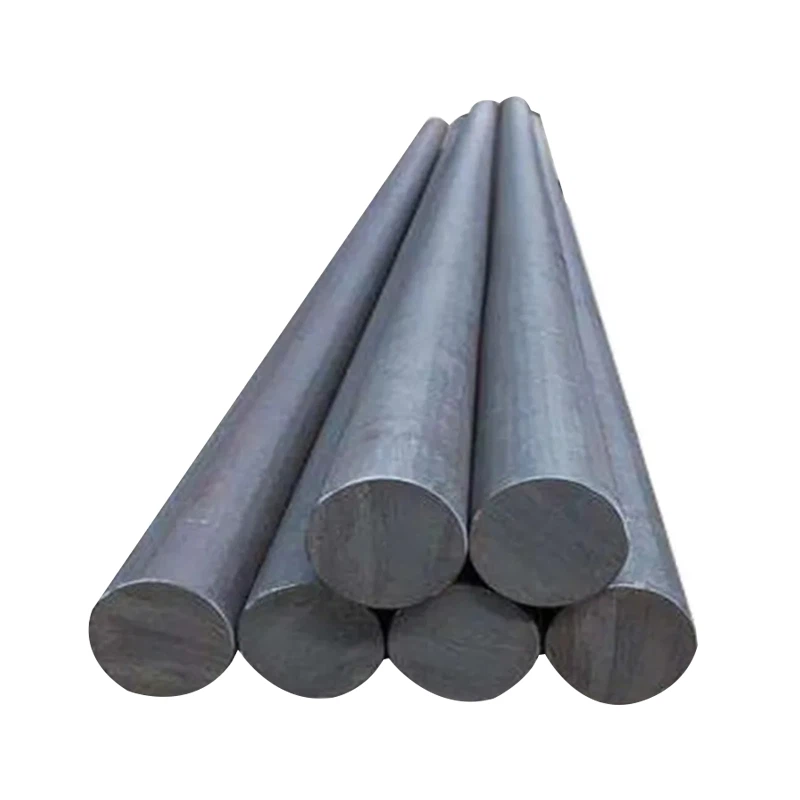

In the automotive industry, springs made from spring steel bars are used in various components. In some cases, the magnetic properties can be used for sensor applications. For example, a magnetic spring can interact with a magnetic sensor to detect the position or movement of a part. This can be important for things like engine valves or suspension systems.
In the electronics industry, magnetic springs can be used in switches and relays. The magnetic force can help ensure proper contact and operation of the electrical components. However, in some sensitive electronic devices, the magnetic field generated by the spring steel bar might need to be carefully controlled to avoid interference with other components.
How to Control the Magnetic Properties
If you need to control the magnetic properties of spring steel bars, there are a few methods. Heat treatment is one of the most common ways. By heating and cooling the steel in a controlled manner, you can change its microstructure. For example, quenching and tempering can alter the size and distribution of the magnetic domains within the steel, which can affect its magnetic strength and coercivity (the ability to resist demagnetization).
Alloying is another way. By carefully selecting the alloying elements and their amounts, you can fine - tune the magnetic properties. As mentioned earlier, elements like manganese and chromium can be used to reduce the magnetic response if needed.
Why Choose Our Spring Steel Bars?
As a spring steel bar supplier, we take pride in offering high - quality products with consistent magnetic properties. Our team of experts carefully controls the manufacturing process, from the selection of raw materials to the final heat treatment. We ensure that each batch of spring steel bars meets the required magnetic specifications, whether you need a strongly magnetic bar for a sensor application or a bar with reduced magnetic properties for an electronic device.
If you're in the market for spring steel bars and have specific magnetic requirements, don't hesitate to get in touch. We can provide you with samples and technical support to help you make the right choice for your application. Whether it's the 55SiMnVB Spring Steel Bar, 1095 Spring Steel Bar, or 5160 Alloy Spring Steel Bar, we've got you covered.
Let's start the conversation about your spring steel bar needs and find the perfect solution together. We're here to help you make the most of the unique magnetic properties of our spring steel bars in your projects.
References
- Atlas of Steel Microstructures, various authors
- Metals Handbook: Properties and Selection: Irons, Steels, and High - Performance Alloys, ASM International


