


Hey there! As a supplier of alloy steel wire, I've seen firsthand how the market demand varies across different regions. In this blog, I'm gonna break down what's driving the need for alloy steel wire in various parts of the world.
Let's start with North America. The automotive and aerospace industries are the big players here. In the automotive sector, alloy steel wire is used for making high - strength parts like suspension springs and engine components. The push for more fuel - efficient and lightweight vehicles has increased the demand for high - performance alloy steel wire. For example, 35CrMo Alloy Steel Wire is highly sought after because of its excellent strength and toughness. This wire can withstand high stress and fatigue, which is crucial for automotive applications.
In the aerospace industry, the standards are even higher. Lightweight yet strong materials are a must. 9254 Alloy Steel Silicon - Chromium Wire is often used for making aerospace fasteners and springs. The North American market also values the quality certification of the alloy steel wire. With strict regulations in these industries, suppliers need to meet high - end quality control standards to get a piece of the market.
Moving on to Europe. The construction and machinery manufacturing sectors are major consumers of alloy steel wire. In construction, alloy steel wire is used in reinforcing structures, such as in pre - stressed concrete. The harsh climate in some parts of Europe, like the cold winters in the Nordic countries, requires building materials that can withstand extreme temperatures. Alloy steel wire provides the necessary strength and durability.
In machinery manufacturing, precision is key. European manufacturers are known for their high - end machinery products. 50CrV4 Alloy Spring Steel Wire is widely used for making springs in machinery. These springs need to have consistent performance and long lifespans. The demand here is also driven by the growing trend of automation in manufacturing, which requires reliable and high - quality springs and wire components.
Over in Asia, it's a different story. China, India, and South Korea are the major markets. In China, the booming manufacturing industry, especially in electronics and consumer goods, has created a huge demand for alloy steel wire. In electronics, small - diameter alloy steel wire is used for making connectors and micro - springs. The large population in these Asian countries also means a growing automotive and infrastructure market.
In India, the government's push for infrastructure development, such as building roads, bridges, and railways, has spurred the demand for alloy steel wire. South Korea, on the other hand, with its strong presence in the shipbuilding and high - tech industries, needs alloy steel wire for various applications. The demand in Asia is often price - sensitive, but the quality requirements are also rising as local industries improve their standards.
In the Middle East, the oil and gas industry is the biggest consumer of alloy steel wire. The harsh environment in the oil fields, with high temperatures, high pressures, and corrosive substances, demands alloy steel wire that can resist corrosion and high stress. Alloy steel wire is used in drilling equipment, pipelines, and valves. The region is also investing in infrastructure projects due to the increase in population and urbanization, which further drives the demand for alloy steel wire in construction.
In South America, the mining and agriculture industries are the main demand drivers. In mining, alloy steel wire is used for making cables and ropes for hoisting and haulage. The agriculture sector uses it for fencing, machinery parts, and livestock equipment. The relatively large agricultural land in countries like Brazil and Argentina requires a significant amount of fencing, which is a major source of demand for alloy steel wire.

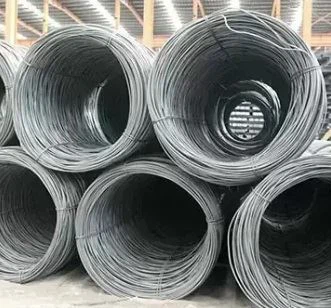
Now, let's talk about the future trends. The global push towards renewable energy is going to impact the market demand for alloy steel wire. In the wind energy sector, alloy steel wire is used for making turbine components. As more countries invest in wind farms, the demand for high - strength and corrosion - resistant alloy steel wire is expected to increase.
Another trend is the development of new alloy steel grades. With advancements in metallurgy, suppliers are able to produce alloy steel wire with better properties, such as higher strength - to - weight ratios and improved corrosion resistance. This will open up new applications and markets for alloy steel wire.
Also, the increasing focus on sustainability is making companies look for more environmentally friendly production methods. Suppliers who can offer alloy steel wire produced with low - carbon and energy - efficient processes are likely to have an edge in the market.
If you're in the market for alloy steel wire, don't hesitate to reach out for a chat. Whether you're in North America, Europe, Asia, the Middle East, or South America, we can work together to find the right alloy steel wire solution for your business. Let's start a conversation about your needs and how we can meet them with our high - quality products.
References
- Smith, J. (2022). Global trends in alloy steel market. Metal Industry Journal, 15(3), 45 - 52.
- Johnson, A. (2023). Regional analysis of alloy steel wire demand. Manufacturing Insights, 22(1), 78 - 85.
- Brown, C. (2021). The impact of emerging industries on alloy steel wire consumption. Materials Research Review, 18(4), 67 - 74.


