


Silicon steel, also known as electrical steel, is a crucial material in the field of electrical engineering, especially in high - frequency applications. As a leading silicon steel supplier, I am excited to share with you the various uses of silicon steel in high - frequency scenarios.
The Basics of Silicon Steel
Silicon steel is an alloy of iron and silicon, with silicon content typically ranging from 0.5% to 6.5%. The addition of silicon significantly improves the electrical resistivity of the steel, which in turn reduces eddy current losses. Eddy currents are induced in conductive materials when they are exposed to a changing magnetic field. These currents generate heat, leading to energy losses. By increasing the resistivity, silicon steel helps to minimize these losses, making it an ideal choice for electrical applications.
High - Frequency Transformers
One of the most common high - frequency applications of silicon steel is in transformers. Transformers are essential devices that transfer electrical energy between two or more circuits through electromagnetic induction. In high - frequency transformers, the magnetic field changes rapidly, which can cause significant eddy current losses in ordinary steel cores.
Silicon steel cores, on the other hand, can effectively reduce these losses. For example, our 50W600 Silicon Steel Coil is specifically designed for high - frequency transformers. Its low core loss and high magnetic permeability make it suitable for applications where efficiency is crucial. High - frequency transformers are widely used in power supplies, communication equipment, and electronic devices. They can step up or step down the voltage, isolate circuits, and match impedance, all while minimizing energy waste.
Inductors and Chokes
Inductors and chokes are passive electronic components that store energy in a magnetic field. In high - frequency circuits, they are used to filter out unwanted frequencies, smooth the current, and suppress electromagnetic interference (EMI). Silicon steel is an excellent material for the cores of inductors and chokes in high - frequency applications.

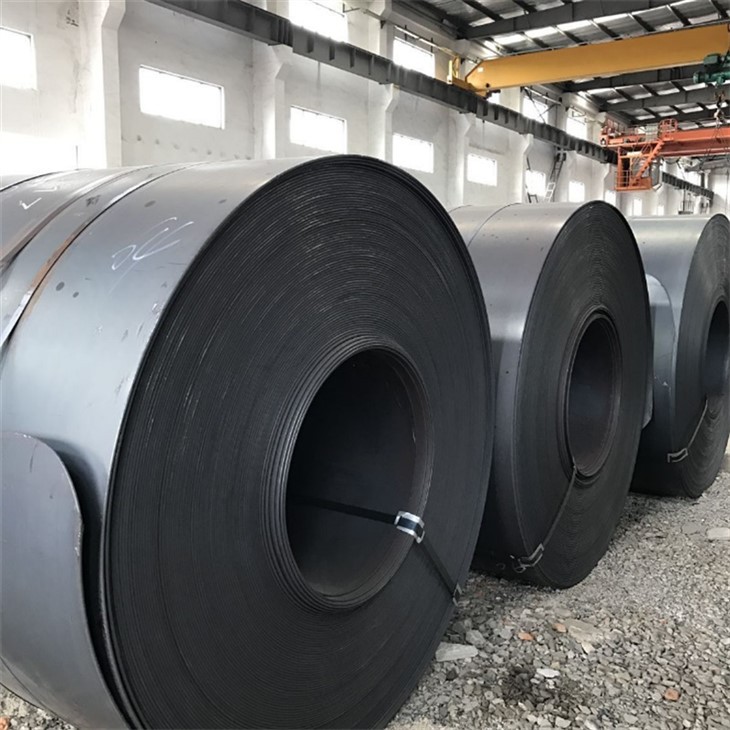
The high resistivity of silicon steel reduces eddy current losses, allowing the inductor or choke to operate more efficiently at high frequencies. Our M19 Silicon Steel is a popular choice for high - frequency inductors and chokes. It has a good balance between magnetic properties and electrical resistivity, which helps to improve the performance of these components.
Electric Motors
In high - frequency electric motors, silicon steel also plays a vital role. Electric motors convert electrical energy into mechanical energy through the interaction of magnetic fields. High - frequency motors are used in various applications, such as robotics, aerospace, and high - speed machinery.
Silicon steel laminations are used to construct the motor's stator and rotor cores. These laminations reduce eddy current losses and improve the motor's efficiency and power density. For instance, our B50A230 Silicon Steel Sheet is well - suited for high - frequency electric motors. Its excellent magnetic properties and low core loss contribute to the smooth operation and high performance of the motor.
Magnetic Amplifiers
Magnetic amplifiers are devices that use the nonlinear properties of magnetic materials to amplify electrical signals. In high - frequency magnetic amplifiers, silicon steel cores are often used to improve the device's performance.
The high magnetic permeability and low core loss of silicon steel allow magnetic amplifiers to operate efficiently at high frequencies. They can be used in control systems, power regulation, and signal processing applications. By using our high - quality silicon steel, magnetic amplifiers can achieve better amplification factors and faster response times.
Advantages of Our Silicon Steel in High - Frequency Applications
Our silicon steel products offer several advantages in high - frequency applications. Firstly, they have low core losses, which means less energy is wasted as heat. This not only improves the efficiency of the electrical devices but also reduces the need for cooling systems, saving both energy and cost.
Secondly, our silicon steel has high magnetic permeability, which allows for better magnetic coupling in transformers, inductors, and other magnetic components. This results in improved performance and higher power density.
Thirdly, our manufacturing process ensures consistent quality and precise dimensions of the silicon steel products. This is crucial for high - frequency applications, where even small variations in the material properties can affect the performance of the devices.
Conclusion
In conclusion, silicon steel is an indispensable material in high - frequency applications. Its unique properties, such as high resistivity, low core loss, and high magnetic permeability, make it ideal for use in transformers, inductors, electric motors, magnetic amplifiers, and other electrical devices.
As a reliable silicon steel supplier, we are committed to providing high - quality products that meet the strict requirements of high - frequency applications. Whether you are designing a new high - frequency device or looking to improve the performance of an existing one, our silicon steel products can offer the solution you need.
If you are interested in our silicon steel products for high - frequency applications, we invite you to contact us for a detailed discussion. Our team of experts is ready to assist you in selecting the most suitable product for your specific needs. We look forward to the opportunity to work with you and contribute to the success of your projects.
References
- "Electrical Steel: Properties, Processing, and Applications" by A. K. Bhattacharya.
- "Handbook of Magnetic Materials" edited by K. H. J. Buschow.
- "High - Frequency Magnetic Components" by W. T. McLyman.


