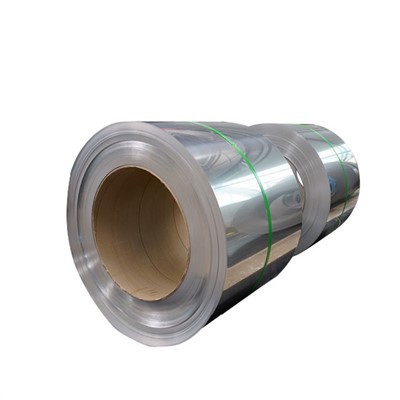
Hey there! As a supplier of carbon steel profiles, I often get asked if carbon steel profiles can be used in automotive manufacturing. Well, the short answer is yes, and in this blog, I'll dive deep into why carbon steel profiles are a great choice for the automotive industry.
Why Carbon Steel Profiles?
First off, let's talk about what makes carbon steel so special. Carbon steel is an alloy made up of iron and carbon, with small amounts of other elements. It's known for its strength, durability, and affordability, which are all crucial factors in automotive manufacturing.
One of the main advantages of using carbon steel profiles in cars is their high strength - to - weight ratio. In the automotive world, reducing weight while maintaining strength is a constant goal. Carbon steel profiles can be engineered to provide the necessary structural support without adding excessive weight. This helps improve fuel efficiency, as lighter vehicles require less energy to move.
Another benefit is the ease of fabrication. Carbon steel can be easily cut, welded, and formed into various shapes. This flexibility allows automotive manufacturers to create complex parts and components with relative ease. Whether it's a simple bracket or a more intricate frame structure, carbon steel profiles can be customized to meet specific design requirements.
Types of Carbon Steel Profiles for Automotive Use
There are several types of carbon steel profiles that are commonly used in automotive manufacturing. Let's take a look at a few of them:
Q275 Carbon Steel Angle
The Q275 Carbon Steel Angle is a popular choice for automotive applications. It has good mechanical properties and is often used for structural support in the vehicle's body. These angles can be used to reinforce corners and joints, providing additional stability and strength. They are also resistant to deformation under stress, which is essential for ensuring the safety and integrity of the vehicle.


Q235 Carbon Steel H Beam
The Q235 Carbon Steel H Beam is another important profile in automotive manufacturing. H beams are known for their excellent load - bearing capacity. In cars, they can be used as part of the chassis or frame structure. The shape of the H beam distributes the load evenly, reducing the risk of structural failure. This makes it a reliable choice for supporting the weight of the vehicle and its passengers.
A36 Carbon Steel Channel
The A36 Carbon Steel Channel is versatile and can be used in a variety of automotive parts. Channels are often used for mounting components, such as engines and suspension systems. Their shape provides a convenient way to attach other parts securely. A36 carbon steel channels are also relatively easy to install, which can save time and labor costs during the manufacturing process.
Applications in Automotive Manufacturing
Carbon steel profiles are used in many different areas of automotive manufacturing. Here are some specific applications:
Chassis and Frame
The chassis and frame are the backbone of any vehicle. Carbon steel profiles play a crucial role in providing the necessary strength and rigidity. By using high - quality carbon steel profiles, manufacturers can ensure that the vehicle can withstand the stresses of daily driving, including acceleration, braking, and cornering.
Body Panels
While some modern cars use lightweight materials like aluminum and composites for body panels, carbon steel is still used in many applications. Carbon steel profiles can be used to reinforce body panels, making them more resistant to dents and damage. This is especially important for areas that are more likely to be exposed to impacts, such as the doors and fenders.
Interior Components
Carbon steel profiles are also used in the interior of vehicles. They can be used to create brackets and supports for seats, dashboards, and other components. These profiles help ensure that the interior components are securely attached and can withstand the vibrations and movements of the vehicle.
Challenges and Solutions
Of course, using carbon steel profiles in automotive manufacturing isn't without its challenges. One of the main challenges is corrosion. Carbon steel is prone to rusting, especially when exposed to moisture and salt. However, there are several solutions to this problem.
One common solution is to apply a protective coating to the carbon steel profiles. This can include paint, galvanizing, or powder coating. These coatings act as a barrier between the steel and the environment, preventing corrosion from occurring. Another solution is to use corrosion - resistant alloys of carbon steel, which have been specifically designed to resist rust and other forms of corrosion.
Conclusion
In conclusion, carbon steel profiles are a valuable material in automotive manufacturing. Their strength, durability, and ease of fabrication make them a great choice for a wide range of applications. Whether it's for the chassis, body panels, or interior components, carbon steel profiles can help automotive manufacturers create high - quality, reliable vehicles.
If you're in the automotive manufacturing industry and are looking for a reliable supplier of carbon steel profiles, I'd love to have a chat with you. We offer a wide range of carbon steel profiles, including the Q275 Carbon Steel Angle, Q235 Carbon Steel H Beam, and A36 Carbon Steel Channel. Contact us to discuss your specific requirements and let's work together to find the best solutions for your automotive manufacturing needs.
References
- "Automotive Materials Handbook" by ASM International
- "Steel in Automotive Applications" by World Steel Association