


Hey there! As a spring steel wire supplier, I've seen firsthand how crucial it is to understand every little aspect of the product we're dealing with. One of those factors that can have a huge impact on the use of spring steel wire is its diameter tolerance. Let's dive right in and explore how this seemingly small detail can make a big difference.
What is Diameter Tolerance?
First off, let's clarify what we mean by diameter tolerance. Simply put, it's the allowable variation in the wire's diameter from the specified size. For example, if you order a spring steel wire with a nominal diameter of 5mm, there'll be a range within which the actual diameter can vary and still be considered acceptable. This range is the diameter tolerance.
Manufacturing processes aren't perfect, and it's impossible to produce wire with an exact diameter every single time. That's why tolerances exist. They give manufacturers some wiggle room to account for natural variations in the production process, like minor differences in machine settings or fluctuations in the raw material properties.
Why Does Diameter Tolerance Matter?
Now, you might be thinking, "How big of a deal can a little variation in diameter really be?" Well, it turns out that it can be a pretty big deal, especially in applications where precision is key. Here are a few ways diameter tolerance can affect the use of spring steel wire:
1. Spring Performance
Springs are one of the most common applications for spring steel wire. The performance of a spring—things like its stiffness, load capacity, and deflection—is directly related to the wire diameter. Even a small deviation from the specified diameter can significantly change these properties.
For instance, if the wire diameter is larger than intended, the spring will be stiffer and have a higher load capacity. This might seem like a good thing at first, but if the spring is designed to fit within a specific space or work under certain load conditions, a stiffer spring could cause problems. It might not compress or expand as expected, leading to premature failure or improper functioning of the device it's part of.
On the flip side, if the wire diameter is smaller than specified, the spring will be less stiff and have a lower load capacity. This can result in the spring not being able to support the required load, causing it to deform or break under normal use.
2. Fit and Assembly
In many applications, spring steel wire needs to fit precisely into a particular component or assembly. Even a slight variation in the wire diameter can affect how well it fits. For example, if you're using the wire to make a coil spring that needs to fit inside a bore, a wire with a diameter that's too large might not fit at all, while a wire with a diameter that's too small could leave too much play, leading to instability.
This can also be a problem when it comes to joining the wire to other components. Welding or soldering a wire with an inconsistent diameter can be more challenging, and the resulting joint might be weaker or less reliable.
3. Material Utilization
Diameter tolerance can also have an impact on material utilization. If the tolerance is too wide, it can lead to a higher rate of scrap or waste. For example, if a part requires a wire with a very specific diameter, and the actual diameter of the wire received varies widely, some of the wire might not meet the requirements and have to be discarded. This not only increases costs but also has environmental implications.
Types of Spring Steel Wire and Their Diameter Tolerance Requirements
There are different types of spring steel wire, each with its own set of characteristics and applications. Here are a few common types and how diameter tolerance affects their use:
1. 1074 Spring Steel Wire
1074 spring steel wire is known for its high carbon content, which gives it excellent strength and hardness. It's often used in applications where high performance and durability are required, such as automotive suspension systems and heavy machinery.
In these applications, tight diameter tolerance is crucial. Any variation in the wire diameter can affect the performance of the springs, potentially leading to safety issues or reduced equipment lifespan. For example, in an automotive suspension system, a spring made from 1074 spring steel wire with an inconsistent diameter could cause uneven handling or premature wear on other components.
2. 50CrVA Spring Steel Wire
50CrVA spring steel wire contains chromium and vanadium, which enhance its strength, toughness, and fatigue resistance. It's commonly used in applications where the spring needs to withstand repeated loading and unloading, such as in valve springs for engines.
For these types of applications, precise diameter control is essential. Even a small deviation in the wire diameter can affect the spring's fatigue life and performance under high-stress conditions. A valve spring with an improper diameter might not open and close correctly, leading to reduced engine efficiency or even engine damage.
3. 65Mn Spring Steel Wire
65Mn spring steel wire is a popular choice for a wide range of applications due to its relatively low cost and good performance. It's often used in small springs, such as those found in household appliances and electronic devices.
While the requirements for diameter tolerance might not be as strict as in some high-performance applications, it still matters. In a small-scale application, even a slight variation in the wire diameter can affect the spring's function. For example, in a small electronic device, a spring that's too stiff or too weak due to a diameter variation could cause problems with the device's operation.
How We Ensure Proper Diameter Tolerance
At our company, we understand the importance of maintaining proper diameter tolerance in our spring steel wire. We use state - of - the - art manufacturing equipment and quality control processes to ensure that our products meet the specified tolerances.
Our production process starts with high - quality raw materials. We carefully select the steel to ensure that it has the right chemical composition and properties. During the manufacturing process, we use precision machinery to draw the wire to the desired diameter. We constantly monitor and adjust the process parameters to minimize any variations.
After the wire is produced, we conduct thorough quality inspections. We use advanced measuring tools, such as micrometers and laser gauges, to check the diameter of the wire at multiple points. If the wire doesn't meet the specified tolerance, we take corrective actions, such as re - processing or discarding the non - conforming product.
Conclusion
As you can see, the diameter tolerance of spring steel wire plays a crucial role in its use. Whether it's affecting the performance of springs, the fit and assembly in components, or the overall material utilization, it's a factor that can't be ignored.
At our company, we're committed to providing high - quality spring steel wire with tight diameter tolerances. We know that our customers rely on our products to perform in their applications, and we take that responsibility seriously.
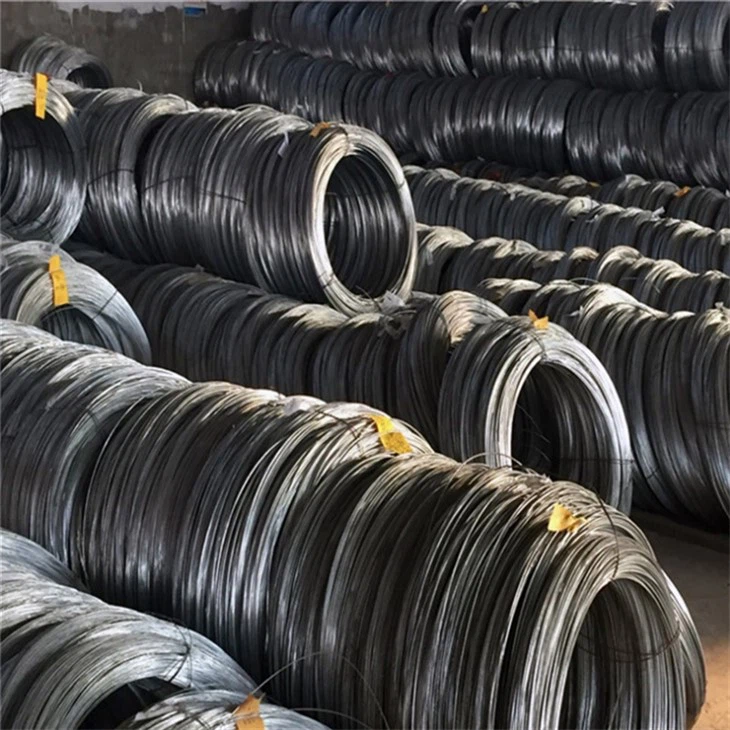

If you're in the market for spring steel wire and want to ensure that you get a product with the right diameter tolerance for your needs, we'd love to talk to you. Contact us today to discuss your requirements and let's work together to find the perfect solution.
References
- ASM Handbook Volume 1: Properties and Selection: Irons, Steels, and High - Performance Alloys
- Spring Design Manual, published by the Spring Manufacturers Institute


