


Hey there! As an alloy steel plate supplier, I've seen firsthand how important recycling is in our industry. Not only does it help the environment, but it also makes good business sense. In this blog, I'm gonna share some tips on how to recycle alloy steel plates effectively.
Why Recycle Alloy Steel Plates?
Before we dive into the recycling process, let's talk about why it's so crucial. Alloy steel plates are made by combining iron with other elements like chromium, nickel, and manganese. These alloys give the steel unique properties, such as high strength, corrosion resistance, and heat resistance. But producing new alloy steel plates from raw materials is energy - intensive and can have a significant environmental impact.
Recycling alloy steel plates reduces the need for mining new iron ore and other metals. It also saves energy, as recycling steel requires less energy compared to producing it from scratch. Additionally, recycling helps to reduce waste in landfills and minimizes the overall carbon footprint of the steel industry.
Types of Alloy Steel Plates
There are various types of alloy steel plates, each with its own composition and uses. Some common ones include A514 Alloy Steel Plate, 16Mo3 Alloy Steel Plate, and 40Cr Alloy Steel Plate.
A514 alloy steel plates are known for their high strength and are often used in construction and heavy machinery. 16Mo3 alloy steel plates are used in applications where high - temperature resistance is required, like in power plants. 40Cr alloy steel plates have good wear resistance and are commonly used in the automotive and machinery industries.
The Recycling Process
1. Collection
The first step in recycling alloy steel plates is collection. As a supplier, I always encourage my customers to return their used or scrap alloy steel plates to me. This can be done through a buy - back program or by simply arranging for pickup. You can also reach out to local scrap metal yards or recycling centers. They usually have a system in place to collect and sort different types of metals, including alloy steel plates.
2. Sorting
Once the alloy steel plates are collected, they need to be sorted. This is important because different types of alloy steel have different compositions, and sorting ensures that the recycling process is more efficient. Sorting can be done manually or with the help of automated equipment. The plates are separated based on their alloy content, size, and thickness.
3. Cleaning
After sorting, the alloy steel plates need to be cleaned. They may be covered in dirt, grease, paint, or other contaminants. Cleaning can be done using various methods, such as shot blasting, pickling, or using chemical solvents. Shot blasting involves firing small metal pellets at the plates to remove surface contaminants. Pickling uses acid solutions to dissolve rust and other impurities.
4. Shredding
Once the plates are clean, they are shredded into smaller pieces. Shredding makes it easier to melt the steel in the next step. Specialized shredding machines are used to break down the plates into chunks or small fragments. The size of the shredded pieces can vary depending on the requirements of the recycling facility.
5. Melting
The shredded alloy steel pieces are then melted in a furnace. The melting process is carried out at high temperatures, usually around 1600°C (2912°F). During melting, the alloying elements in the steel are also adjusted to achieve the desired composition. This is done by adding specific amounts of other metals or alloys.
6. Casting and Rolling
After melting, the molten steel is cast into ingots or other shapes. These ingots are then rolled into new alloy steel plates. The rolling process gives the plates their final thickness, width, and surface finish. The new plates can then be used in various industries, just like the original ones.
Tips for Effective Recycling
- Keep Records: As a supplier or a recycler, it's important to keep records of the alloy steel plates you collect, sort, and recycle. This helps in tracking the quantity, type, and source of the materials. It also provides valuable data for quality control and environmental reporting.
- Work with Reputable Partners: When recycling alloy steel plates, make sure to work with reputable scrap metal yards and recycling centers. They should have the necessary equipment and expertise to handle the recycling process safely and efficiently.
- Educate Your Customers: If you're a supplier, educate your customers about the importance of recycling alloy steel plates. Let them know about your recycling programs and how they can contribute to a more sustainable future.
Conclusion
Recycling alloy steel plates is a win - win situation. It's good for the environment, saves energy, and helps to reduce waste. As an alloy steel plate supplier, I'm committed to promoting recycling in our industry. Whether you're a manufacturer, a construction company, or an individual, you can play a part in this process.

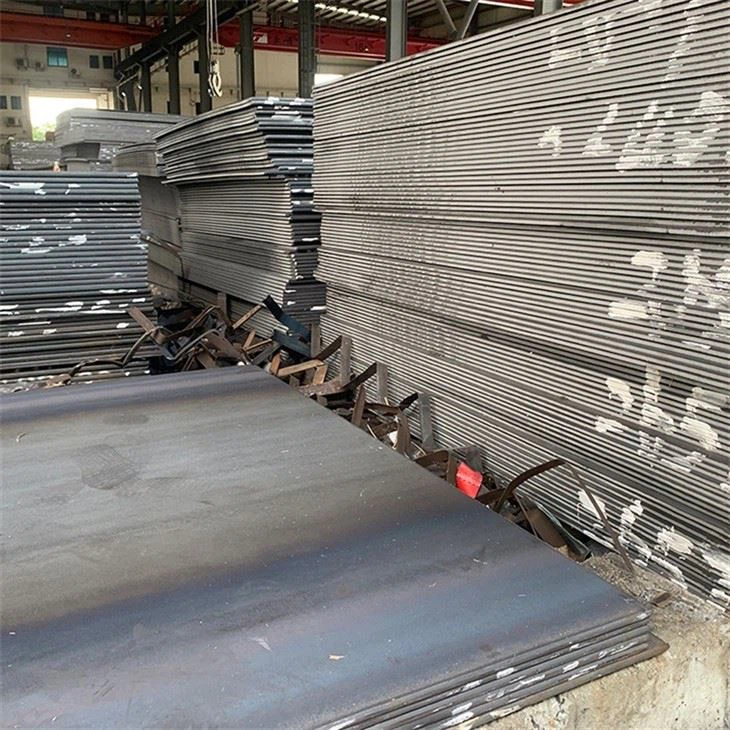
If you're interested in purchasing high - quality alloy steel plates or have any questions about recycling, feel free to reach out. We're always here to help you with your alloy steel needs and guide you through the recycling process. Let's work together to make our industry more sustainable!
References
- "Metallurgy of Steel Recycling" - Journal of Materials Science
- "Recycling of Alloy Metals: A Comprehensive Guide" - Scrap Metal Recycling Association
- "The Future of Steel Recycling" - International Steel Recycling Institute


