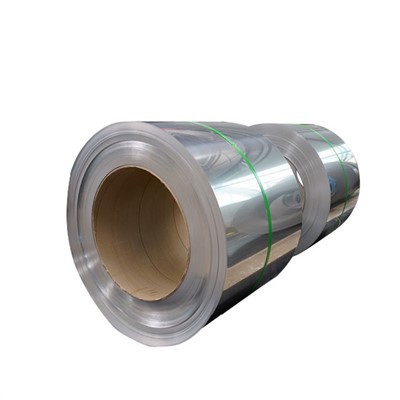
Tool steel is a specialized type of steel designed to be used in the production of tools. These steels are engineered to possess specific properties that make them ideal for various tool - making applications. As a tool steel supplier, I have witnessed firsthand the numerous advantages of using tool steel in different industries. In this blog post, I will delve into the key benefits of tool steel and why it is a top choice for many manufacturers.
High Hardness and Wear Resistance
One of the most significant advantages of tool steel is its high hardness. Hardness is a crucial property for tools as it determines their ability to resist deformation and wear during use. Tool steels are heat - treated to achieve a high level of hardness, which allows them to maintain their shape and cutting edges even under high stress and abrasive conditions.
For example, in metal - cutting applications, tools made from tool steel can cut through tough metals with ease. The high hardness ensures that the cutting edge remains sharp for a longer time, reducing the frequency of tool replacement. This not only saves time but also reduces production costs. T1 High Speed Tool Steel is a prime example of a tool steel with excellent hardness and wear resistance. It is commonly used in high - speed machining operations where the tool is subjected to high temperatures and heavy cutting forces. You can learn more about it T1 High Speed Tool Steel.
Good Toughness
While hardness is important, tools also need to have good toughness. Toughness is the ability of a material to absorb energy and deform plastically before fracturing. Tool steels are designed to have a balance between hardness and toughness. This means that they can withstand sudden shocks and impacts without breaking.
In forging and stamping operations, tools are often subjected to high - impact forces. A tool with good toughness can endure these forces without cracking or chipping. For instance, A2 Tool Steel Bar is known for its good combination of hardness and toughness. It is widely used in the production of punches, dies, and other forming tools. You can find more details about A2 Tool Steel Bar.
Heat Resistance
Many tool - making processes involve high temperatures. For example, in hot forging, the tools are in contact with red - hot metal, and in high - speed machining, the friction between the tool and the workpiece generates a significant amount of heat. Tool steels are formulated to have good heat resistance.
Heat - resistant tool steels can maintain their hardness and strength at elevated temperatures. This prevents the tool from softening and losing its cutting ability. O1 Tool Steel Bar is a type of tool steel that has relatively good heat resistance. It is suitable for applications where the tool is exposed to moderate heat. To know more about O1 Tool Steel Bar.
Machinability
Tool steels are also known for their machinability. Machinability refers to the ease with which a material can be machined into the desired shape. Good machinability reduces the time and cost of manufacturing tools.
Modern tool steels are designed to have a uniform microstructure, which makes them easier to machine. Special additives are sometimes included in the steel composition to improve chip formation and reduce tool wear during machining. This allows manufacturers to produce complex - shaped tools with high precision and efficiency.
Corrosion Resistance
In certain environments, tools are exposed to corrosive substances. For example, tools used in the food processing industry or in chemical plants may come into contact with acids, alkalis, or other corrosive agents. Some tool steels are specifically designed to have good corrosion resistance.
Corrosion - resistant tool steels can protect the tool from rusting and degradation, thereby extending its service life. This is especially important for tools that are used in harsh environments where corrosion can lead to premature failure. Special surface treatments can also be applied to enhance the corrosion resistance of tool steels.
Customizability
As a tool steel supplier, I understand that different industries have different requirements for their tools. Tool steels offer a high degree of customizability. The composition and heat treatment of tool steels can be adjusted to meet specific needs.
For example, if a manufacturer requires a tool with extremely high hardness for a specific cutting application, we can recommend a tool steel with a high carbon and alloy content and a specific heat - treatment process. On the other hand, if toughness is the primary concern, we can suggest a different type of tool steel with a more balanced composition.
Cost - Effectiveness
Although tool steels may have a higher initial cost compared to some other types of steels, they are highly cost - effective in the long run. The high hardness, wear resistance, and toughness of tool steels mean that tools made from them have a longer service life.

This reduces the frequency of tool replacement, which in turn lowers the overall cost of production. Additionally, the good machinability of tool steels reduces manufacturing costs. The ability to customize tool steel also ensures that manufacturers get the most suitable material for their specific applications, optimizing the cost - performance ratio.
Applications in Various Industries
Tool steel is used in a wide range of industries. In the automotive industry, tool steels are used to make cutting tools, forging dies, and stamping dies for the production of engine components, body parts, and other automotive parts. In the aerospace industry, tool steels are used in the manufacturing of precision tools for machining high - strength alloys used in aircraft structures.
The medical industry also relies on tool steels for the production of surgical instruments. The high hardness, wear resistance, and corrosion resistance of tool steels make them ideal for this application, ensuring the safety and effectiveness of medical tools. In the electronics industry, tool steels are used to manufacture molds for plastic injection molding of electronic components.
Contact Us for Tool Steel Procurement
If you are in need of high - quality tool steel for your manufacturing processes, we are here to help. We offer a wide range of tool steels, including the ones mentioned above, with different specifications to meet your specific requirements. Our team of experts can provide you with professional advice on the selection of the most suitable tool steel for your application.
Whether you are a small - scale manufacturer or a large - scale industrial enterprise, we can supply you with the right amount of tool steel at competitive prices. Contact us to start a procurement discussion and take advantage of the many benefits that tool steel has to offer.
References
- ASM Handbook Committee. "Tool Steels." ASM Handbook, Volume 1: Properties and Selection: Irons, Steels, and High - Performance Alloys. ASM International, 1990.
- Kalpakjian, Serope, and Steven R. Schmid. "Manufacturing Engineering and Technology." Pearson, 2014.
- Totten, George E., and David Scott MacKenzie. "Tool Steel Heat Treating." ASM International, 1995.