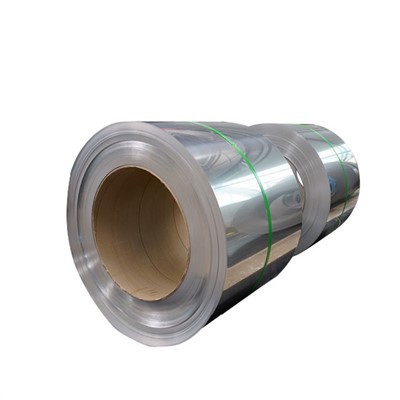
As a seasoned supplier in the alloy steel wire industry, I've witnessed firsthand the remarkable evolution and innovation that have shaped this dynamic sector. Alloy steel wire, known for its exceptional strength, durability, and versatility, plays a crucial role in a wide range of applications, from automotive and aerospace to construction and manufacturing. In this blog post, I'll explore the future development trends of the alloy steel wire industry, drawing on my experience and insights to provide a comprehensive overview of what lies ahead.
Technological Advancements
One of the most significant trends driving the future of the alloy steel wire industry is technological advancement. New manufacturing processes and materials are constantly being developed to improve the quality, performance, and efficiency of alloy steel wire production. For example, advanced heat treatment techniques can enhance the mechanical properties of alloy steel wire, making it stronger, more ductile, and more resistant to wear and corrosion. Additionally, the use of computer-aided design (CAD) and simulation software allows manufacturers to optimize the design and production of alloy steel wire, reducing costs and improving product quality.
Another area of technological advancement in the alloy steel wire industry is the development of new alloys. Researchers are constantly exploring new combinations of elements to create alloys with unique properties and performance characteristics. For example, the development of high-strength, low-alloy (HSLA) steels has revolutionized the automotive industry, allowing for the production of lighter, more fuel-efficient vehicles without sacrificing safety or performance. Similarly, the development of corrosion-resistant alloys has opened up new opportunities in the marine and offshore industries, where alloy steel wire is used in a variety of applications, from mooring lines to structural components.
Sustainability
Sustainability is another key trend shaping the future of the alloy steel wire industry. As consumers and businesses become more environmentally conscious, there is a growing demand for sustainable products and manufacturing processes. In response, alloy steel wire manufacturers are increasingly adopting sustainable practices, such as recycling, energy efficiency, and waste reduction.
Recycling is one of the most effective ways to reduce the environmental impact of alloy steel wire production. By recycling scrap steel, manufacturers can conserve natural resources, reduce energy consumption, and minimize waste. Additionally, the use of recycled steel can help to reduce the carbon footprint of alloy steel wire production, as recycled steel requires less energy to produce than virgin steel.
Energy efficiency is another important aspect of sustainability in the alloy steel wire industry. Manufacturers are increasingly investing in energy-efficient technologies, such as electric arc furnaces and advanced heat treatment processes, to reduce energy consumption and lower greenhouse gas emissions. Additionally, the use of renewable energy sources, such as solar and wind power, is becoming more common in the alloy steel wire industry, further reducing the environmental impact of production.
Market Demand
The future development of the alloy steel wire industry will also be influenced by market demand. As the global population continues to grow and urbanize, there is a growing demand for infrastructure, housing, and consumer goods, all of which require alloy steel wire. Additionally, the increasing adoption of advanced technologies, such as electric vehicles, renewable energy, and smart cities, is creating new opportunities for the alloy steel wire industry.
In the automotive industry, for example, the growing demand for electric vehicles is driving the development of new alloys and manufacturing processes to meet the unique requirements of these vehicles. Electric vehicles require high-strength, lightweight materials to improve energy efficiency and range, and alloy steel wire is one of the key materials used in the production of electric vehicle components, such as batteries, motors, and suspension systems.
Similarly, the renewable energy industry is also creating new opportunities for the alloy steel wire industry. Wind turbines, solar panels, and energy storage systems all require alloy steel wire for a variety of applications, from structural components to electrical wiring. As the demand for renewable energy continues to grow, the demand for alloy steel wire is expected to increase as well.
Globalization
Globalization is another trend that is likely to have a significant impact on the future development of the alloy steel wire industry. As the global economy becomes more interconnected, alloy steel wire manufacturers are increasingly looking to expand their markets and operations beyond their domestic borders. This has led to the growth of international trade in alloy steel wire, as well as the establishment of manufacturing facilities in emerging markets.
One of the key challenges facing alloy steel wire manufacturers in the era of globalization is competition. With the growth of international trade, manufacturers are facing increased competition from low-cost producers in emerging markets. To remain competitive, alloy steel wire manufacturers must focus on innovation, quality, and cost efficiency. By investing in research and development, adopting advanced manufacturing technologies, and optimizing their supply chains, manufacturers can improve their competitiveness and capture a larger share of the global market.


Conclusion
In conclusion, the future of the alloy steel wire industry looks bright. Technological advancements, sustainability, market demand, and globalization are all driving the growth and development of the industry. As a supplier of alloy steel wire, I am excited to be part of this dynamic and innovative industry, and I am committed to providing my customers with the highest quality products and services.
If you are interested in learning more about our alloy steel wire products, please visit our website at [website URL] or contact us at [contact information]. We would be happy to discuss your specific requirements and provide you with a quote.
References
- "Alloy Steel Wire Market - Global Industry Analysis, Size, Share, Growth, Trends, and Forecast 2021 - 2026." Mordor Intelligence, 2021.
- "The Future of Steel: Trends and Challenges." World Steel Association, 2020.
- "Sustainable Steel Production: A Review of Current Practices and Future Trends." Journal of Cleaner Production, vol. 246, 2020, pp. 119038.
- "Technological Advancements in the Steel Industry: A Review." Journal of Materials Science and Technology, vol. 36, no. 6, 2020, pp. 1059 - 1072.