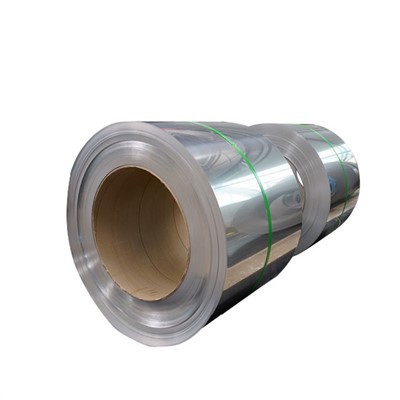
Hey there! As a supplier of stainless steel strip, I've been in the game long enough to know that humidity can play a huge role in how our products perform. In this blog, I'm gonna break down the effects of humidity on stainless steel strip properties, so you can make informed decisions when it comes to your projects.
First off, let's talk about what stainless steel strip is. It's a thin, flat piece of stainless steel that's used in a wide range of applications, from construction to electronics. There are different grades of stainless steel strip, like 347 Stainless Steel Strip, 410 Stainless Steel Strip, and 430 Stainless Steel Strip, each with its own unique properties and uses.
Now, humidity is basically the amount of water vapor in the air. It can vary depending on the location, weather, and time of year. And it turns out, this seemingly innocent factor can have some pretty significant effects on stainless steel strip.
Corrosion Resistance
One of the most important properties of stainless steel is its corrosion resistance. Stainless steel contains chromium, which forms a thin, protective oxide layer on the surface of the metal. This layer helps prevent rust and other forms of corrosion. But here's the thing: high humidity can disrupt this protective layer.
When the air is humid, there's more moisture around. This moisture can react with the chromium oxide layer on the stainless steel strip, causing it to break down. As a result, the metal becomes more vulnerable to corrosion. In areas with high humidity, like coastal regions or tropical climates, stainless steel strip may corrode faster than in drier environments.
For example, if you're using stainless steel strip for outdoor applications in a humid area, you might notice some surface rust or discoloration over time. This not only affects the appearance of the strip but also its structural integrity. To combat this, you might need to choose a higher grade of stainless steel or apply a protective coating to the strip.
Mechanical Properties
Humidity can also have an impact on the mechanical properties of stainless steel strip. Mechanical properties refer to how the metal behaves under stress, such as its strength, hardness, and ductility.
In high humidity conditions, stainless steel strip may experience a phenomenon called hydrogen embrittlement. When water vapor in the air comes into contact with the metal, it can break down into hydrogen atoms. These hydrogen atoms can then diffuse into the stainless steel, making it more brittle.
As a result, the strip may be more prone to cracking or breaking under stress. This is especially a concern in applications where the stainless steel strip is subjected to heavy loads or vibrations. For instance, if you're using the strip in a machinery or automotive part, hydrogen embrittlement could lead to premature failure.
On the other hand, in very low humidity conditions, the stainless steel strip may become more rigid and less ductile. This can make it more difficult to form or bend the strip into the desired shape. So, finding the right balance of humidity is crucial for maintaining the optimal mechanical properties of the stainless steel strip.
Surface Finish
The surface finish of stainless steel strip is another aspect that can be affected by humidity. A smooth, clean surface is not only aesthetically pleasing but also helps improve the corrosion resistance of the metal.
In humid environments, the moisture in the air can cause dirt, dust, and other contaminants to stick to the surface of the stainless steel strip. This can lead to a dull or rough appearance. Additionally, if the strip is exposed to condensation, it can leave water spots or stains on the surface.
To keep the surface finish of the stainless steel strip in top condition, regular cleaning and maintenance are essential. You can use mild detergents and a soft cloth to clean the strip and remove any dirt or contaminants. In some cases, you may also need to polish the surface to restore its shine.
Storage and Handling
Given the effects of humidity on stainless steel strip, proper storage and handling are crucial. When storing the strip, it's important to keep it in a dry, well-ventilated area. Avoid storing it in areas prone to high humidity, such as basements or near water sources.
If you're transporting the stainless steel strip, make sure it's properly protected from the elements. You can use plastic wrapping or covers to prevent moisture from coming into contact with the strip. Additionally, try to minimize the time the strip is exposed to humid conditions during transportation.
Conclusion
So, as you can see, humidity can have a significant impact on the properties of stainless steel strip. From corrosion resistance to mechanical properties and surface finish, every aspect of the strip can be affected by the amount of moisture in the air.
As a stainless steel strip supplier, I understand the importance of providing high-quality products that can withstand different environmental conditions. That's why we offer a wide range of stainless steel strip grades, including 347 Stainless Steel Strip, 410 Stainless Steel Strip, and 430 Stainless Steel Strip, to meet your specific needs.


If you're in the market for stainless steel strip and have any questions about how humidity might affect your project, don't hesitate to reach out. We're here to help you make the right choice and ensure the success of your project. Whether you're a contractor, engineer, or DIY enthusiast, we've got the expertise and products to meet your requirements. So, let's start a conversation and find the perfect stainless steel strip for your next project!
References
- ASM Handbook, Volume 13A: Corrosion: Fundamentals, Testing, and Protection. ASM International.
- Stainless Steel World Magazine. Various articles on stainless steel properties and applications.
- NACE International: The Corrosion Society. Publications on corrosion prevention and control in different environments.