


Silicon steel, also known as electrical steel, is a vital material in the electrical industry, widely used in transformers, electric motors, and generators due to its excellent magnetic properties. As a leading silicon steel supplier, I am often asked about the heat treatment process for silicon steel. In this blog, I will delve into the details of this crucial process, explaining its significance, steps, and the impact it has on the final properties of silicon steel.
Significance of Heat Treatment in Silicon Steel
Heat treatment plays a pivotal role in enhancing the magnetic properties of silicon steel. By carefully controlling the heating and cooling processes, we can manipulate the microstructure of the steel, which in turn affects its magnetic characteristics such as magnetic permeability, core loss, and saturation magnetization. These properties are essential for the efficient operation of electrical devices, as they determine the energy efficiency and performance of transformers and motors.
The Heat Treatment Process
The heat treatment process for silicon steel typically consists of several key steps, each designed to achieve specific microstructural changes and improve the material's magnetic properties.
1. Annealing
Annealing is the first and most critical step in the heat treatment process. It involves heating the silicon steel to a specific temperature and holding it there for a certain period to relieve internal stresses, refine the grain structure, and improve magnetic properties. There are two main types of annealing used for silicon steel:
- Primary Annealing: This is usually carried out at a relatively low temperature, typically around 700 - 800°C. The primary annealing helps to remove the cold work introduced during the rolling process and promotes the formation of a fine-grained microstructure. This fine-grained structure enhances the magnetic permeability of the silicon steel, reducing core losses.
- Secondary Annealing: After the primary annealing, the silicon steel undergoes a secondary annealing at a higher temperature, often in the range of 1000 - 1200°C. This high-temperature annealing is crucial for the formation of a specific texture in the steel, known as the Goss texture. The Goss texture consists of grains with a specific orientation that aligns the magnetic domains in the steel, resulting in significantly improved magnetic properties, especially in the direction of rolling.
2. Decarburization
During the annealing process, decarburization is often carried out to remove carbon from the surface of the silicon steel. Carbon can have a detrimental effect on the magnetic properties of the steel, increasing core losses and reducing magnetic permeability. Decarburization is typically achieved by heating the steel in a controlled atmosphere containing oxygen or steam, which reacts with the carbon on the surface to form carbon dioxide or carbon monoxide, effectively removing it from the steel.
3. Grain Growth Control
Controlling the grain growth during the heat treatment process is essential for achieving the desired magnetic properties. Fine-grained structures generally have higher magnetic permeability and lower core losses, but excessive grain growth can lead to a decrease in mechanical strength and an increase in core losses. To control grain growth, alloying elements such as aluminum, niobium, and titanium are often added to the silicon steel. These elements form fine precipitates that act as pinning points, preventing the grains from growing too large during the high-temperature annealing process.
4. Cooling
The cooling rate after annealing is also a critical factor in determining the final properties of the silicon steel. Rapid cooling can lead to the formation of a martensitic or bainitic structure, which has poor magnetic properties. Therefore, slow cooling is usually preferred to allow the steel to transform into a ferrite - pearlite or ferrite - carbide structure, which has better magnetic characteristics.
Impact of Heat Treatment on Different Types of Silicon Steel
There are various types of silicon steel available, each with its own specific composition and applications. The heat treatment process can be tailored to optimize the properties of different types of silicon steel.
- Non - oriented Silicon Steel: Non - oriented silicon steel is used in applications where the magnetic field direction is not fixed, such as in electric motors. The heat treatment for non - oriented silicon steel focuses on achieving a fine - grained, homogeneous microstructure with good magnetic properties in all directions. The annealing temperature and time are carefully controlled to balance the magnetic properties and mechanical strength of the steel.
- Grain - oriented Silicon Steel: Grain - oriented silicon steel is specifically designed for use in transformers, where the magnetic field is mainly in one direction. The heat treatment process for grain - oriented silicon steel is optimized to develop the Goss texture, which provides excellent magnetic properties in the rolling direction. The secondary annealing temperature and atmosphere are critical for the formation of the Goss texture, and strict control is required to ensure the high quality of the steel.
Our Silicon Steel Products
As a silicon steel supplier, we offer a wide range of high - quality silicon steel products, including B50A230 Silicon Steel Sheet, M19 Silicon Steel, and B50A800 Silicon Steel Coil. These products are manufactured using advanced heat treatment processes to ensure excellent magnetic properties and high performance.

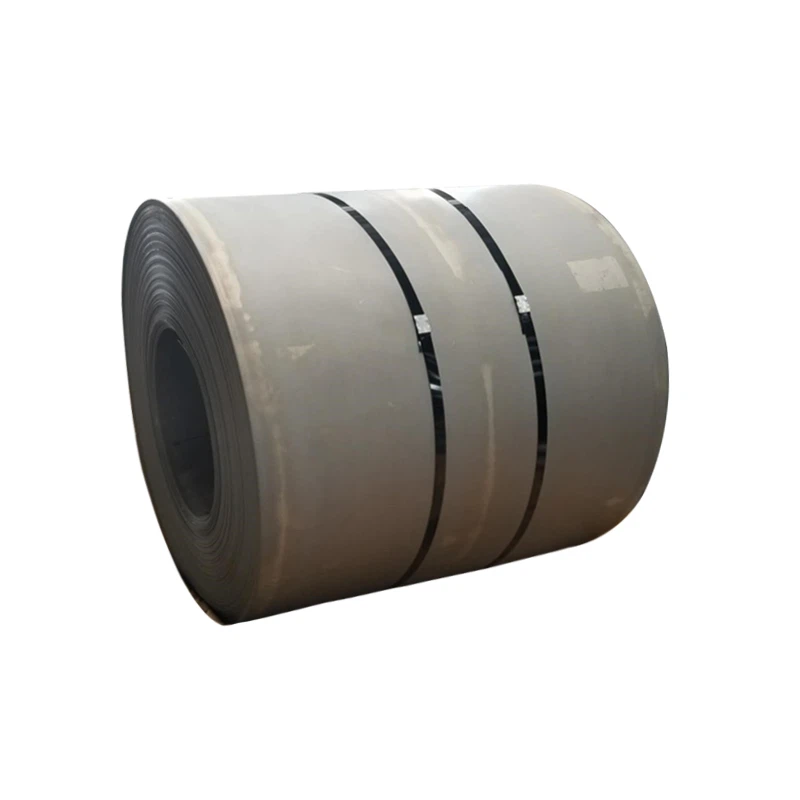
Our B50A230 Silicon Steel Sheet is known for its low core loss and high magnetic permeability, making it ideal for use in high - efficiency transformers. The M19 Silicon Steel offers a good balance between magnetic properties and mechanical strength, suitable for a variety of electrical applications. Our B50A800 Silicon Steel Coil is designed for applications that require high magnetic flux density and low core loss, such as large - scale power transformers.
Conclusion
The heat treatment process is a crucial step in the production of high - quality silicon steel. By carefully controlling the annealing, decarburization, grain growth, and cooling processes, we can optimize the magnetic properties of the silicon steel, making it suitable for a wide range of electrical applications. As a leading silicon steel supplier, we are committed to providing our customers with the best - quality silicon steel products, manufactured using advanced heat treatment technologies.
If you are interested in our silicon steel products or have any questions about the heat treatment process, please feel free to contact us for further information and to discuss your specific requirements. We look forward to partnering with you in your next project.
References
- "Handbook of Electrical Steel" by David Croll
- "Magnetic Materials and Their Applications" by E. C. Stoner and E. P. Wohlfarth
- "Heat Treatment of Metals" by George E. Totten and David Scott MacKenzie


