


Producing alloy steel wire is a complex and challenging process that requires a high level of expertise and precision. As an alloy steel wire supplier, I have witnessed firsthand the numerous obstacles that can arise during production. In this blog post, I will discuss some of the key challenges in the production of alloy steel wire and how we address them to ensure the highest quality products for our customers.
1. Raw Material Selection and Quality Control
The quality of alloy steel wire is directly influenced by the quality of the raw materials used in its production. Selecting the right raw materials is crucial, as even minor impurities or variations in composition can have a significant impact on the final product's properties. For example, the presence of sulfur or phosphorus in the steel can reduce its ductility and toughness, making it more prone to cracking during the drawing process.
To overcome this challenge, we work closely with our trusted suppliers to source high-quality raw materials. We conduct rigorous quality control checks on all incoming materials, including chemical analysis, mechanical testing, and non-destructive testing, to ensure they meet our strict specifications. This helps us to identify and reject any substandard materials before they enter the production process.
2. Alloy Composition and Heat Treatment
Alloy steel wire is made by adding various alloying elements to carbon steel to enhance its mechanical properties, such as strength, hardness, and corrosion resistance. However, achieving the desired alloy composition and heat treatment is a delicate balance that requires precise control and expertise.
The alloying elements must be added in the right proportions and at the right time during the melting process to ensure a homogeneous distribution throughout the steel. Any deviations in the alloy composition can result in inconsistent properties and performance of the final product. For example, if the chromium content in the steel is too low, it may not provide sufficient corrosion resistance, while too much chromium can make the steel brittle.
Heat treatment is another critical step in the production of alloy steel wire. It involves heating the wire to a specific temperature and then cooling it at a controlled rate to achieve the desired microstructure and mechanical properties. The heat treatment process must be carefully optimized for each alloy composition to ensure the best results. For instance, improper heat treatment can lead to the formation of undesirable phases, such as martensite or bainite, which can reduce the wire's ductility and toughness.
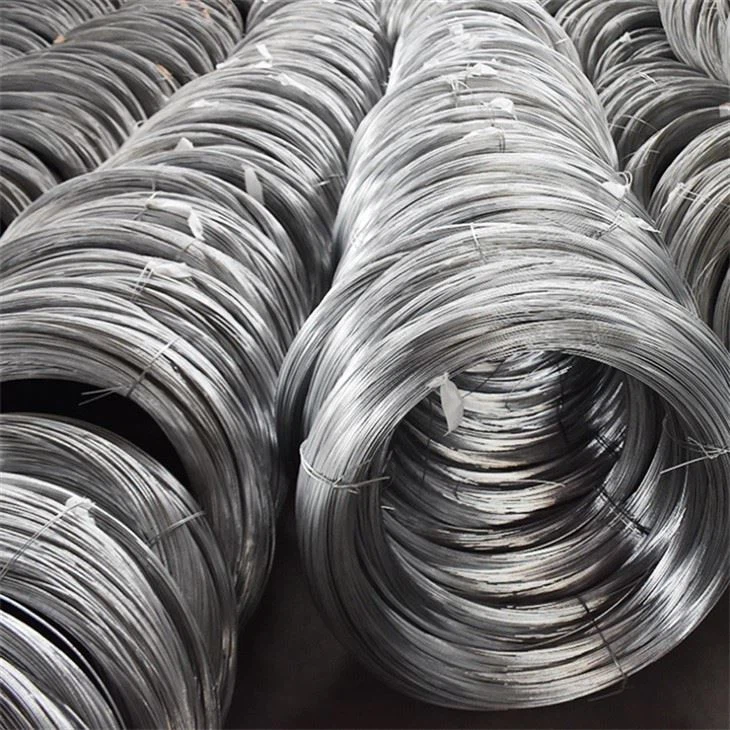

To address these challenges, we have a team of experienced metallurgists and engineers who use advanced analytical techniques and computer simulations to optimize the alloy composition and heat treatment process. We also conduct extensive testing on the heat-treated wire to ensure it meets our quality standards.
3. Drawing Process and Surface Defects
The drawing process is used to reduce the diameter of the alloy steel wire and improve its surface finish. However, this process can also introduce a number of challenges, such as surface defects, wire breakage, and reduced ductility.
Surface defects, such as scratches, cracks, and pits, can occur during the drawing process due to a variety of factors, including improper lubrication, tool wear, and excessive drawing force. These defects can not only affect the appearance of the wire but also reduce its mechanical properties and corrosion resistance.
Wire breakage is another common problem during the drawing process, especially when working with high-strength alloy steels. This can be caused by a variety of factors, such as improper wire feeding, excessive drawing speed, and inadequate heat treatment. Wire breakage can result in production downtime, increased costs, and reduced productivity.
To minimize surface defects and wire breakage, we use advanced drawing equipment and techniques, such as multi-pass drawing and controlled cooling, to ensure a smooth and consistent drawing process. We also use high-quality lubricants and dies to reduce friction and wear, and we regularly inspect and maintain our equipment to ensure it is in optimal condition.
4. Environmental and Safety Considerations
The production of alloy steel wire involves the use of various chemicals, heavy equipment, and high temperatures, which can pose significant environmental and safety risks. For example, the melting and heat treatment processes can generate large amounts of heat, dust, and fumes, which can be harmful to the environment and the health of workers.
To address these concerns, we have implemented a comprehensive environmental and safety management system to minimize our impact on the environment and ensure the safety of our workers. We use energy-efficient equipment and processes to reduce our energy consumption and emissions, and we treat all our waste and wastewater before disposal to ensure compliance with environmental regulations.
We also provide our workers with comprehensive training and safety equipment to ensure they are aware of the potential hazards associated with their work and how to prevent accidents and injuries. We regularly conduct safety inspections and audits to identify and address any safety issues in a timely manner.
5. Meeting Customer Requirements and Expectations
As an alloy steel wire supplier, our ultimate goal is to meet the needs and expectations of our customers. This means providing high-quality products that meet their specific requirements and delivering them on time and at a competitive price.
However, meeting customer requirements can be a challenge, especially when dealing with complex or specialized applications. For example, some customers may require alloy steel wire with specific mechanical properties, surface finish, or dimensional tolerances. To meet these requirements, we need to have the necessary expertise, equipment, and processes in place to produce customized solutions.
In addition, we need to be able to respond quickly to customer inquiries and orders and provide excellent customer service. This includes providing accurate and timely information, resolving any issues or concerns promptly, and maintaining a high level of communication and transparency throughout the sales process.
To overcome these challenges, we have a dedicated customer service team that works closely with our customers to understand their needs and requirements. We also have a flexible production system that allows us to quickly adjust our production processes and schedules to meet customer demands.
Conclusion
The production of alloy steel wire is a complex and challenging process that requires a high level of expertise, precision, and attention to detail. As an alloy steel wire supplier, we are constantly faced with a variety of challenges, including raw material selection and quality control, alloy composition and heat treatment, drawing process and surface defects, environmental and safety considerations, and meeting customer requirements and expectations.
However, by investing in advanced technology, equipment, and personnel, and by implementing a comprehensive quality management system, we are able to overcome these challenges and produce high-quality alloy steel wire that meets the needs and expectations of our customers.
If you are in the market for high-quality alloy steel wire, we invite you to [contact us to discuss your requirements and explore how we can provide you with the best solutions for your application. Our team of experts is ready to assist you with any questions or concerns you may have.
For more information about our specific alloy steel wire products, you can visit the following links:
50CrV4 Alloy Spring Steel Wire
35CrMo Alloy Steel Wire
9254 Alloy Steel Silicon-Chromium Wire
References
- ASM Handbook, Volume 1: Properties and Selection: Irons, Steels, and High-Performance Alloys.
- Metals Handbook: Desk Edition, Second Edition.
- Steelmaking and Refining Volume: ASM Handbook, Volume 15.


