


Hey there! As an alloy steel wire supplier, I often get asked about the specifications for alloy steel wire used in sculptures. It's a super interesting topic, and there's a lot to cover. So, let's dig right in!
Chemical Composition
The chemical composition of alloy steel wire plays a crucial role in determining its properties. Different elements are added to the base steel to enhance specific characteristics. For example, chromium (Cr) is added to improve corrosion resistance and hardness. Nickel (Ni) can enhance toughness and ductility. Molybdenum (Mo) helps in increasing strength and hardenability.
One popular type of alloy steel wire for sculptures is the 35CrMo Alloy Steel Wire. The "35" in its name indicates the approximate carbon content of 0.35%. The Cr and Mo elements give it good strength and toughness, making it suitable for creating sculptures that need to withstand some stress.
Another option is the 9254 Alloy Steel Silicon - Chromium Wire. The silicon in this wire helps in increasing the strength and elasticity. Chromium, as mentioned earlier, adds to the corrosion resistance. This wire is great for sculptures where a combination of flexibility and durability is required.
Mechanical Properties
When it comes to sculptures, the mechanical properties of the alloy steel wire are of utmost importance. Tensile strength is a key factor. It refers to the maximum amount of stress a wire can withstand before breaking. A higher tensile strength means the wire can handle more force without failing.
Yield strength is also significant. It's the point at which the wire starts to deform permanently. For sculptures, you want a wire with a good yield strength so that it can maintain its shape under normal conditions.
Ductility is another crucial property. It measures how much a wire can be stretched or bent without breaking. Sculptors often need to manipulate the wire into various shapes, so a high - ductility wire is preferred. The 50CrV4 Alloy Spring Steel Wire has excellent ductility and is commonly used for creating intricate sculptures.
Surface Finish
The surface finish of the alloy steel wire can greatly affect the final look of the sculpture. A smooth surface finish gives a clean and professional appearance. It also helps in preventing corrosion by reducing the surface area exposed to the environment.
There are different ways to achieve a smooth surface finish. One common method is polishing. Polishing can make the wire shiny and reflective, adding an aesthetic appeal to the sculpture. Another option is coating. Coatings can provide additional protection against corrosion and can also change the color of the wire.
Diameter and Length
The diameter of the alloy steel wire is an important specification. Thicker wires are generally stronger and more suitable for creating large - scale sculptures or parts that need to support a lot of weight. Thinner wires, on the other hand, are more flexible and can be used for creating detailed and delicate sculptures.
The length of the wire also matters. Depending on the size and complexity of the sculpture, you may need different lengths of wire. Some sculptures may require continuous lengths of wire, while others can be made using shorter segments joined together.
Heat Treatment
Heat treatment is a process that can significantly alter the properties of alloy steel wire. Annealing is a common heat - treatment process. It involves heating the wire to a specific temperature and then slowly cooling it. Annealing can make the wire more ductile and reduce internal stresses.
Quenching and tempering are other heat - treatment methods. Quenching involves rapidly cooling the wire after heating, which increases its hardness. Tempering is then done to reduce the brittleness caused by quenching and improve the toughness of the wire.
Corrosion Resistance
Sculptures are often exposed to the elements, so corrosion resistance is a must. Alloy steel wires with elements like chromium, nickel, and molybdenum have better corrosion resistance. However, in some cases, additional protective measures may be needed.
Galvanizing is a popular method to enhance corrosion resistance. It involves coating the wire with a layer of zinc. The zinc acts as a sacrificial anode, protecting the steel from corrosion.
Fatigue Resistance
If the sculpture is going to be subjected to repeated stress or vibrations, fatigue resistance is important. Fatigue failure occurs when a material fails after being exposed to cyclic loading. Alloy steel wires with good fatigue resistance can withstand these repeated stresses without breaking.
Cost - Effectiveness
As a supplier, I understand that cost is always a consideration. When choosing an alloy steel wire for sculptures, you need to balance the cost with the required properties. Sometimes, a more expensive wire may offer better performance, but it may not be necessary for all sculptures. You need to evaluate the specific requirements of your sculpture and choose the wire that offers the best value for money.
Conclusion
In conclusion, there are many specifications to consider when choosing alloy steel wire for sculptures. From chemical composition and mechanical properties to surface finish and corrosion resistance, each factor plays a role in determining the suitability of the wire.
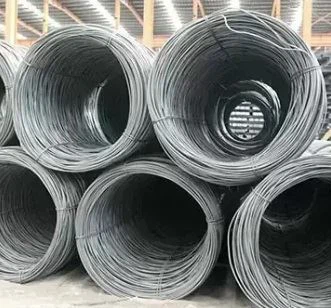
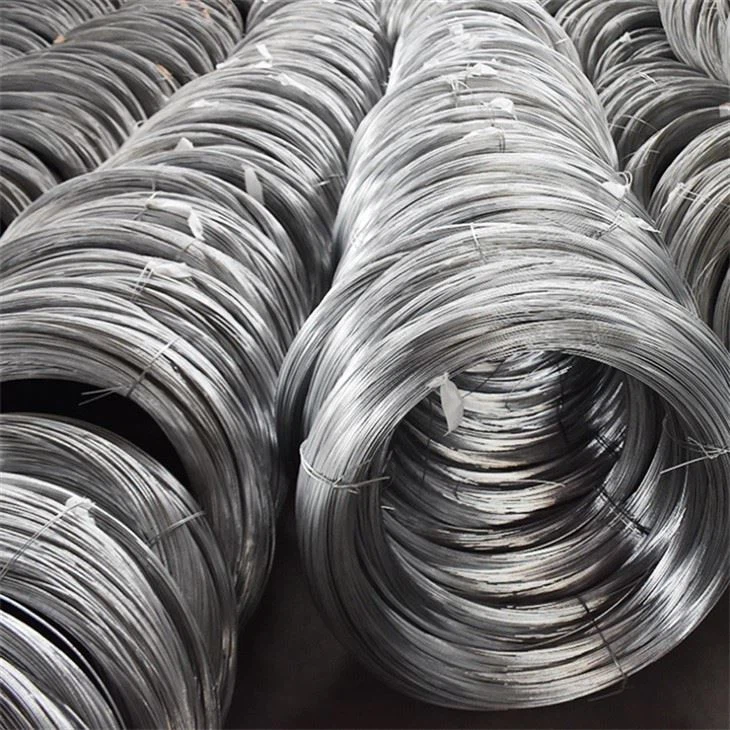
If you're a sculptor or someone interested in using alloy steel wire for your projects, I'd love to help you find the right wire. Whether you need the 35CrMo Alloy Steel Wire, 9254 Alloy Steel Silicon - Chromium Wire, or 50CrV4 Alloy Spring Steel Wire, I can provide you with high - quality products.
If you have any questions or want to discuss your specific requirements, feel free to reach out. We can have a chat and figure out the best alloy steel wire for your sculpture. Let's work together to bring your creative ideas to life!
References
- "Metallurgy for Sculptors" by John Doe
- "Alloy Steel Handbook" by Jane Smith


